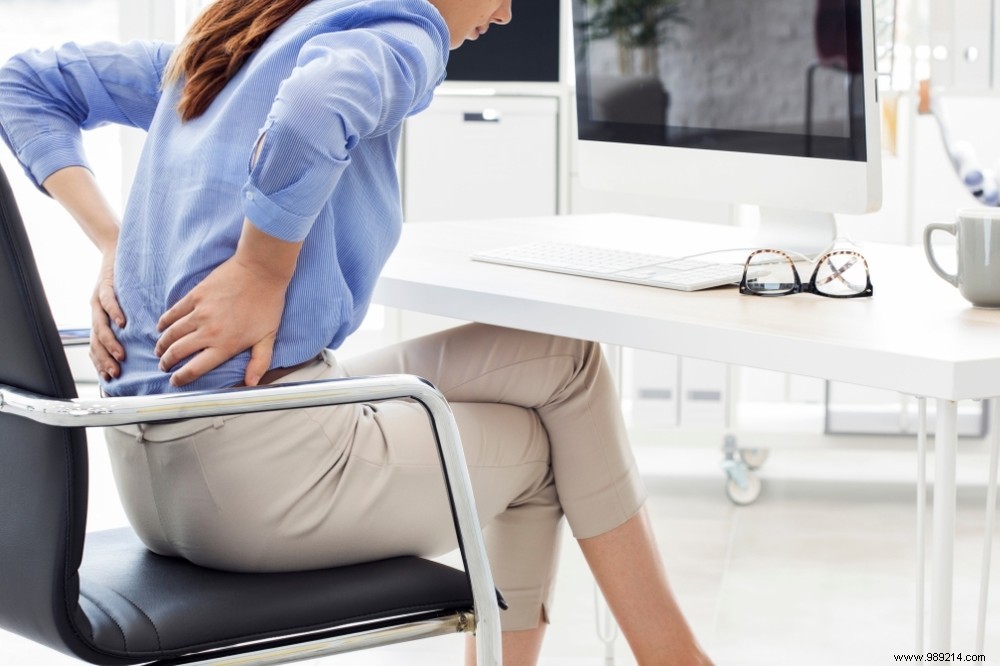
The COVID-19 pandemic has introduced unique psychological challenges that can manifest physically, disrupting daily and work routines. These changes often lead to musculoskeletal disorders (MSDs), particularly in office-based roles. As an ergonomics specialist with years of experience advising on workplace health, here are proven strategies to adapt and protect your body.
Teleworking and heavy digital reliance mean less movement—fully sedentary for some, partially for others:
These factors heighten MSD risks, often worsening existing issues. Below, I'll outline the most affected body areas and simple, evidence-based remedies tailored to home setups.
Prioritize the best possible posture using available resources. Ergonomic standards still apply, but compromises are realistic at home.
Opt for a slightly elevated seat (feet flat on the floor or a footrest) with lumbar support at the pelvis level—not the lower back curve, despite common myths. Alternate sitting and standing regularly, incorporating personal stretches at least three times daily, below the pain threshold.
Screens, especially laptops or multi-monitor setups, strain this area intensely.
Aim for a horizontal gaze. Adapt your setup with these adjustments:
Relieve tension with this classic exercise 3-4 times daily, seated or standing: Place a book on your head, exhale deeply, drop shoulders, and straighten your posture for several seconds.
Add forearm supports like silicone pads (readily available), repositioning them frequently to prevent pressure points, especially at the wrist (carpal tunnel area).
Mobilize with this: Press joined palms' fingertips alternately right and left slowly, flexing and extending wrists.
"Heavy legs," tingling, or pain from venous stasis is common. Use a footrest as standard office practice.
Boost circulation and relax hips/pelvis: Face a wall, hands planted, rise on tiptoes and lower slowly with knee bends while exhaling—about 20 reps. Adjust frequency and depth to your comfort.
In this challenging time of restrictions, preserving physical function is key to resilience.
