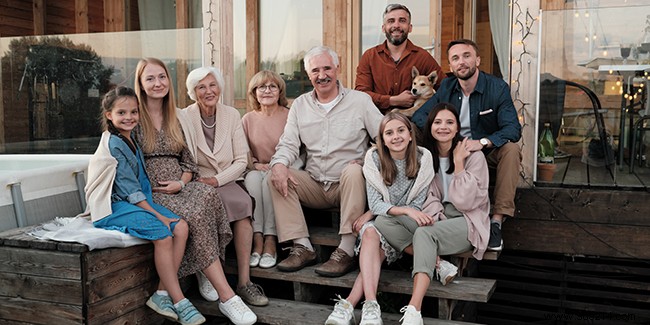
According to the latest INSEE data, blended families make up 9% of the population—around 723,000 households. About 11% of children, or 1.5 million, live in homes with a couple and at least one child from a prior relationship. Half of these families have no biological children together, only stepchildren. This dynamic often sparks key questions during succession planning: How can stepchildren secure an inheritance? As experienced family law professionals, we explain that adoption is a viable option under specific conditions, such as marriage and the child's consent if over 13. Explore the types of adoption and their inheritance implications below.
Simple adoption establishes a new family bond between the stepparent and child without severing ties to the biological family. In blended families, this preserves connections to both sides while formalizing the relationship—and enabling inheritance rights.
It's the go-to choice for many blended families with stepchildren, especially to solidify bonds and ensure stepchildren inherit. However, it requires the couple to be married.
For minor stepchildren, the adopting stepparent assumes parental authority, which can be shared with the biological parent via a joint court declaration. The adopter must be at least 10 years older than the child, and the spouse's notarized consent is mandatory.
In recomposed families, simply adopted stepchildren retain inheritance rights from their biological family while gaining equal status with the stepparent's biological children. They become reserved heirs under French law, entitled to a protected share of the adoptive parent's estate. However, adoptive grandparents can disinherit them.
Upon the adopter's death, eligible stepchildren may qualify for reduced transfer duties on inheritance tax if a minor or if they've received continuous support from the adopter for 5 years during minority (or 10 years spanning minority and adulthood). Otherwise, the rate is 60%.
Full adoption offers another route for stepchildren to inherit fully, mimicking a biological parent-child relationship.
Yet it's harder to achieve due to rigorous criteria, as it replaces the biological parent's role. For children under 15, the couple must be married, and the child must not have been recognized by the other parent. It's also possible if the other parent's authority is fully revoked, they're deceased without first-degree ascendants (grandparents), or they've abandoned the child.
As with simple adoption, the adopter needs to be 10+ years older, with spousal consent notarized.
Fully adopted stepchildren inherit as forced heirs from the stepparent, receiving their full share after the surviving spouse's portion—on par with biological children.
Unlike simple adoption, ties to the biological family are severed for inheritance purposes.
Tax-wise, they enjoy the same exemptions and favorable rates as biological children.
