Employees exposed to asbestos throughout their careers or diagnosed with related occupational diseases can access early retirement known as asbestos pre-retirement. This allows them to stop working and receive a dedicated allowance, the Early Retirement Allowance (Acaata), until reaching full retirement age.
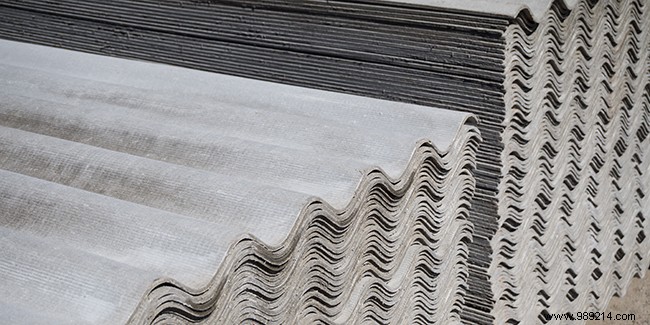
Asbestos comprises fibrous silicate minerals valued for fire resistance, insulation properties, and affordability. Historically, it was widely used in construction for thermal insulation—mixed with cement for corrugated sheets, facade panels, ventilation ducts, pipes—and in plastics for seals, coatings, and household items.
This widespread use exposed countless workers, including those in ongoing roles like asbestos removal in building, shipbuilding, maintenance, and public works.
Recognized as carcinogenic, asbestos causes severe health issues, leading to its ban. Asbestos pre-retirement enables affected workers to retire before the legal age of 62.
This scheme targets workers exposed at work or suffering from asbestos-linked occupational diseases listed by ministerial decree via Health Insurance.
Typically, eligible non-diseased workers include those from establishments manufacturing asbestos materials, flocking/insulation operations (per ministerial list), shipbuilding/repair trades (listed), or port dockworkers at specified ports.
Current and former sailors have a dedicated scheme through their pension fund.
Qualified workers can retire at age 60, deducting one-third of exposure time, with the earliest exit at 50.
This means fully ceasing work—resigning if employed—and receiving monthly Acaata until full pension eligibility.
Resignation includes standard notice pay akin to dismissal, plus a tax- and contribution-free indemnity matching retirement severance.
Acaata bases on the average gross salary of the last 12 months, minimum ~1,200 euros gross, max 85% of reference. It's subject to health insurance, CSG, CRDS, and Casa contributions.
It cannot combine with salaried/unpaid work income, unemployment benefits, old-age pensions (except special schemes), early retirement allowances, invalidity, or survivor pensions.
Application varies by sector and status.
Workers from asbestos manufacturing/processing, shipbuilding/repair, or listed port dockworkers contact their local Regional Health Insurance Fund (Cram) using Cerfa form n°11687*02 for Acaata.
Disease-affected employees use Cerfa n°11690*02, also to local Cram.
Cram decides within 2 months; no response means rejection.
Only post-approval can you cease work.
