Landing your dream job requires a standout resume, but rigid "rules" can hold you back more than help. As a seasoned career advisor with over a decade reviewing thousands of applications, I've seen how debunking these myths empowers candidates to shine.
These misconceptions—rooted in outdated advice—instill fear: dread of two-page resumes or employment gaps spelling doom. In truth, smart deviations often secure interviews. Let's bust five pervasive myths with data-backed insights and proven alternatives.
A resume is your sales pitch to employers. Shift focus from self-centered narration to employer benefits and quantifiable wins.

Narration: "I worked as a data analyst at E-Corp for six years, managing a team of six on multiple projects."
For Sale: "Led a six-person data team as chief analyst, developing 300+ scripts in under four years—saving the company $4M+."
Highlight achievements and transferable skills. Recruiters prioritize impact: How will you drive results? Rewrite entries with this lens, incorporating metrics for credibility.
The Ladders' 2012 study claimed 6-second scans toss resumes. Don't panic—CareerBuilder data shows just 17% of recruiters spend under 30 seconds, while 68% invest up to two minutes.

Time varies, but scannable, ATS-friendly formatting (see How to Get Your Resume Past the Applicant Tracking System) ensures deeper reads. Prioritize clarity over myths like Gladwell's 10,000-hour rule.
Tailor length to content: Concise, relevant—no fluff. Entry-level? One page. Experienced pros? Two or three is standard.
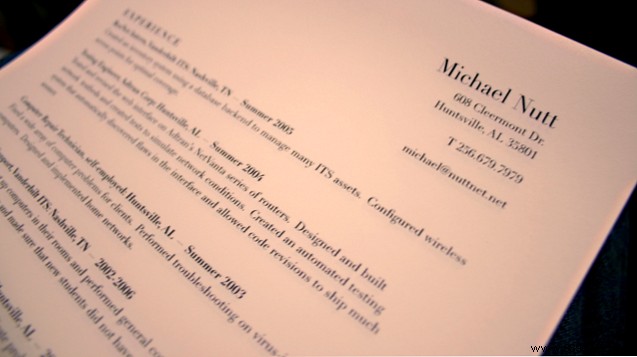
Digital scrolling trumps print-era constraints. Ivy League guides endorse multi-page formats for depth. Tweak margins or use tools like Hemingway App to avoid awkward spills, but embrace substance.
Humans—not just ATS—review finalists. Systems flag positives; gaps rarely disqualify.

Frame gaps positively: Childcare built resilience; travel sparked innovation. Tie to role benefits. Track applications with tools like Applied.at for tailored spins.
Past ATS fears sidelined PDFs, but 36% of employers prefer them (2010 Orange County survey). They preserve formatting across devices.
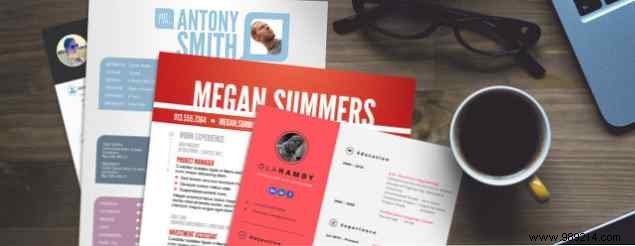
Content trumps format today. Default to PDF unless specified (e.g., agencies favor Word). Eye-catching designs like Photoshop templates elevate further.
Ditch fears: Multi-page? Fine. Gaps? Contextualize. Focus on value-packed, formatted content. Conquer interviews next (try these 11 free tools). What resume myths have tripped you up?
