Prior to industrialization, medicine was practiced by diverse individuals with varying outcomes. As scientific research clarified effective treatments, the field professionalized. Religious organizations, dedicated to helping the needy, established hospitals offering care irrespective of patients' ability to pay.
Over time, healthcare became a major industry, with insurance companies central to its management. Yet this model has proven extraordinarily expensive. While most industrialized nations have moved away from for-profit systems, the U.S. continues blending business and medicine, with uneven results.
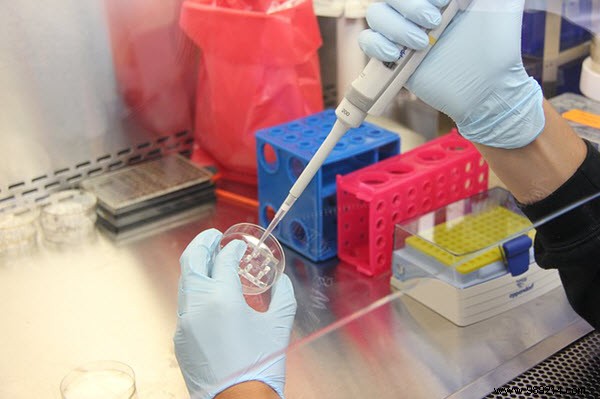
Proponents argue that profitability drives innovation. Much of the world's drug and treatment research originates in the U.S., funded by revenues from existing therapies. Without profits, they contend, vital R&D would stall, limiting new lifesaving options.
In the U.S., healthcare spending exceeds 18% of GDP and continues rising. By contrast, other industrialized countries average 8.8%—less than half—yet achieve comparable or superior health outcomes.
Cancer survivors face 2.5 times higher bankruptcy risk post-treatment than the general population. Some hospitals have even directed patients to launch GoFundMe campaigns for bills.
Those with chronic conditions like severe allergies or diabetes suffer most. EpiPens, essential for allergic emergencies (often in children), originated in the 1970s for military use before civilian availability. A two-pack cost under $100 in the early 2000s. After a 2007 acquisition, prices surged; today, they exceed $600.
Insulin's story is equally stark. Invented in the 1920s, its creators sold the patent for $1 to ensure affordability. Production remains straightforward, with global prices at $2-10. Yet U.S. diabetes care costs jumped nearly $3,000 annually from 2012-2016, forcing rationing—and, tragically, deaths.
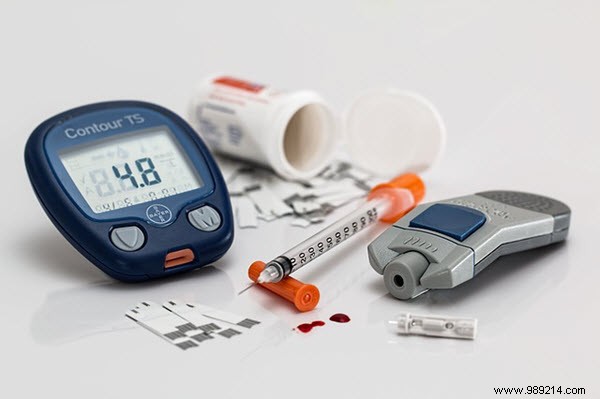
Even without chronic illnesses, one in three Americans delays care for themselves or family due to costs. Hospitalizations rose 42% from 2007-2014, outpatient care 25%, and doctor visits 6%.
The U.S. health insurance sector dwarfs tech giants, with its top five firms earning $787 billion last year versus $783 billion for the top five tech companies.
See also: The Future of Health Insurance and Health Care: What Everyone Needs to Know
Escalating costs lead to delayed treatment and non-adherence, causing 125,000 preventable deaths yearly and $100-289 billion in annual losses. The U.S. stands alone among industrialized nations in this approach.

Source: Center for Social Work Degrees
