France's National Health and Nutrition Program (PNNS) has spent over 20 years promoting balanced, varied diets to combat obesity, now affecting 17% of the population. Research also shows that nutritious eating enhances workplace productivity.
Short on time? Our expert tips help you build healthy eating habits at the office.
Nutritious meals sharpen focus, spark creativity, and fuel better thinking—especially on a full stomach. The PNNS's charter for active workplaces urges companies to promote nutrition initiatives. Studies confirm healthy eating reduces stress and depression risks, drawing from decades of public health research.
The adage "a healthy mind in a healthy body" holds true: your brain requires over 40 nutrients for peak function, best supplied by a varied diet. Proper nutrition delivers sustained energy and better sleep—avoid heavy dinners that disrupt rest.
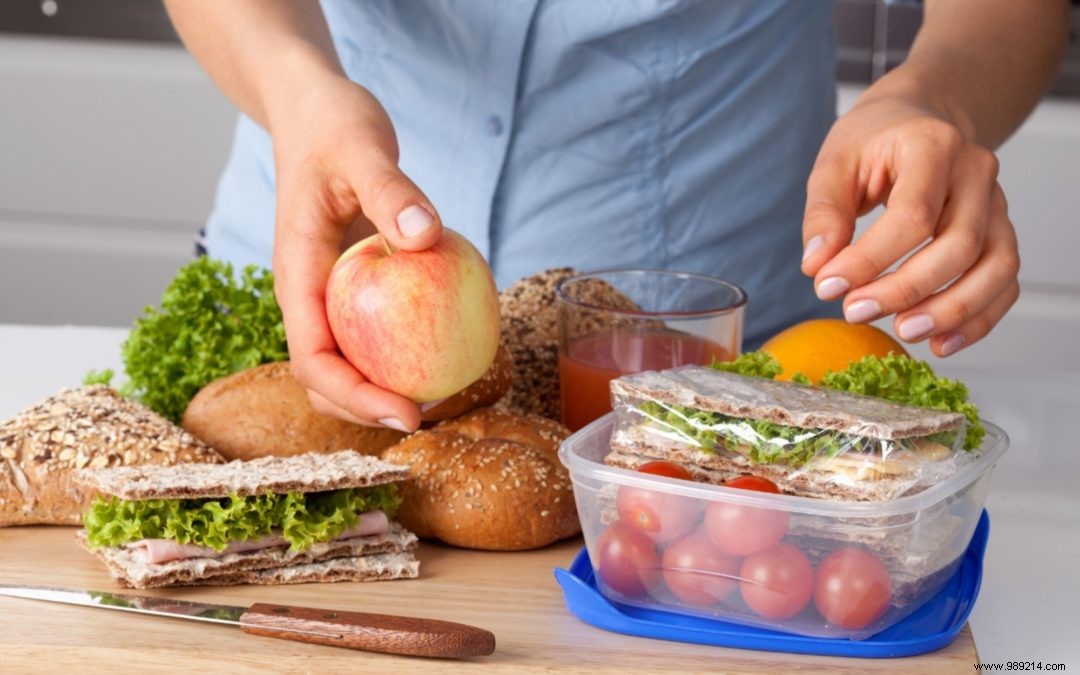
Meal prepping is key to success. It saves money, cuts waste, and reuses leftovers—like Sunday family meals for office lunches. Cook extra portions ahead or try batch cooking: prep a week's meals on weekends with family or friends. Experiment with creative recipes to keep it fun and flavorful.
INSEE reports French adults spend about 55 minutes daily in the kitchen. Short on time? Healthy delivery services are booming, offering nutrient-packed meals with bold flavors—far from junk food stereotypes. Search Tripadvisor, Uber Eats, or Deliveroo for balanced options that satisfy without compromise.
OECD data crowns France the world leader in mealtime, averaging 2 hours 11 minutes daily at home. Yet many workers eat on the fly. Slow eating aids digestion, prevents bloating, and promotes mental disconnection. Step outside, dine with colleagues—it's great for team building and recharge.
Daily guidelines suggest 2,400-2,600 calories for men and 1,800-2,000 for women: 100g protein (meat, fish, eggs), 5 fruits/veggies, 3 dairy, 4 tbsp oil or 15g butter. Drink water freely; occasional treats keep it sustainable.
Eat seasonally for nutrition and flavor. Winter soups like leek-squash (packed with fiber, vitamins, potassium) or Vietnamese pho warm you up—freeze for easy transport. For sweet-savory flair, try pomegranate-nectarine lentil salad with chia seeds for protein and energy.
Snacks and health align perfectly—choose wisely. Pack portable options like cereal bars, nuts, veggie sticks, or fruit salads. Stay hydrated to curb hunger naturally.
Armed with these proven strategies, transform your office lunches into fuel for creativity and health.
