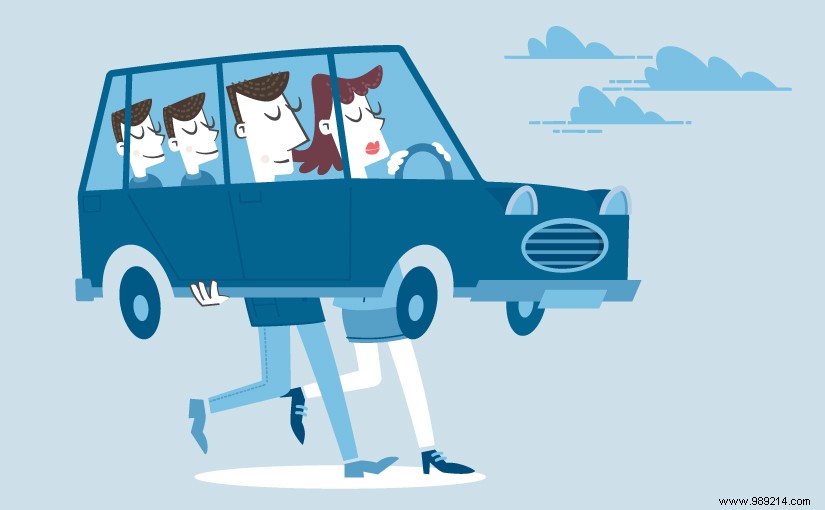
Car travel significantly impacts the environment. Eco-driving reduces pollutant emissions while delivering key benefits: substantial fuel savings and enhanced road safety.
Eco-driving goes beyond simply slowing down—it's about adopting responsible habits. According to France's Environment and Energy Management Agency (Ademe), it can "reduce expenses (fuel consumption by around 15% and lower vehicle maintenance costs); limit greenhouse gas emissions driving climate change; and cut accident risks by 10-15% on average."
Prepare for the Road
The cornerstone of eco-driving is anticipation. Before setting off, lighten your vehicle—every 100 extra kilograms increases fuel use by 5%. Remove unnecessary accessories like roof boxes, racks, or bike carriers, which add weight and drag. Regular maintenance is essential: check fluid levels and tire pressure. Ademe notes that dropping from 2.5 bars to 1.5 bars can spike fuel consumption by 6%. Plan your route with GPS to minimize detours, start on time, and anticipate traffic.
Drive Smoothly
Once behind the wheel, ease into moderate speeds early—the coldest engine phase produces the most pollution, normalizing after about 5 km. Shift gears optimally: for petrol engines, upshift between 2,000-2,500 rpm; for diesels, around 2,000 rpm, per Ademe guidelines. Anticipate with engine braking to avoid harsh stops, preserving brakes, improving comfort, and enhancing safety by preventing rear-end collisions. Use cruise control for steady speeds, as endorsed by road safety experts. Limit air conditioning, which boosts consumption by 1-7% depending on conditions. For stops over 30 seconds, turn off the engine—Ademe confirms this saves fuel and protects the starter.
Geco Air App: Optimize Your Driving
Developed by IFP Energies Nouvelles (Ifpen) with Ademe support, the free Geco Air app leverages your smartphone's sensors to analyze speed and acceleration. It provides personalized tips to refine habits, slash emissions, and lower fuel use. Download on Google Play or the App Store.
