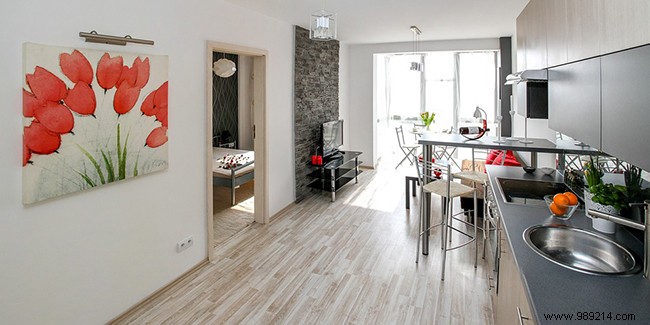
Furnished apartments and houses offer tenants a hassle-free move-in, eliminating the need to buy furniture. They're perfect for students, temporary residents during renovations or job transitions, or short-term visitors. However, before settling in, securing appropriate home insurance is essential.
To clarify, a "furnished rental" refers to a fully equipped apartment with essential furniture and appliances for comfortable living. Since September 1, 2015, strict standards apply: it must include tables and chairs, bedding, curtains or shutters, hotplates, oven, cookware, refrigerator, freezer, kitchen cabinets, lighting, and shelving.
Previously optional, home insurance became mandatory for tenants under the 2014 Alur Law if the property serves as your primary residence for over eight months. Without it, you're liable for damages to others. Landlords can purchase coverage on your behalf and pass the cost to your rent.
Tenants can select any provider, but the policy must include civil liability coverage to compensate third parties for damages originating from your home and affecting neighbors. Rental risk insurance is also required, covering fire, explosion, or water damage. Enhance protection with options like terrorism, riots, natural disasters, or technological catastrophes. Valuable add-ons include glass breakage, theft, vandalism, legal assistance, emergency services (e.g., babysitting or repairs), and valuables coverage.
Prioritize affordability aligned with your budget and desired protection—avoid cheap policies with skimpy coverage. Evaluate reimbursement limits and deductibles carefully: low ceilings cut premiums but may leave you undercompensated in major claims. High deductibles lower costs but increase your out-of-pocket expenses post-claim; balance is key.
Review exclusions, often tied to poor maintenance or negligence. Always scrutinize the policy's general and special conditions to sidestep surprises.
