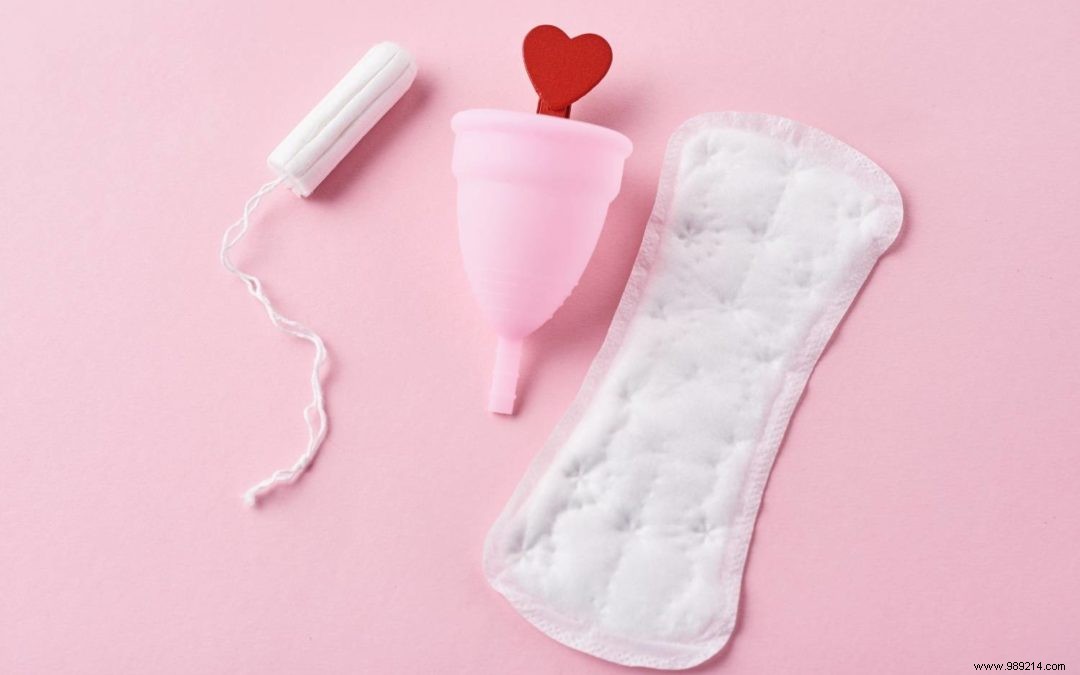
Menstruation remains a taboo topic, yet it affects 15.5 million French women aged 13 to 50 on average. Over a lifetime, a woman experiences periods for about 2,280 days, using roughly 11,400 pads. Ready to choose protection that's kind to your body and the planet? Explore disposable and reusable options with us.
In France, disposable tampons and pads dominate, with 91% of women using them according to ANSES in 2017. Tampons offer discretion, a 'barely there' feel, and enable swimming. Pads adapt to flow levels and suit overnight use.
However, they're plastic-based and non-recyclable, taking 500-800 years to decompose. Lifetime costs range from €8,000 to €23,000.
Compositions often lack transparency, containing toxic substances like pesticides, dioxins, and phthalates—potential carcinogens, endocrine disruptors affecting fertility, and triggers for infections like yeast issues.
Expert tip: Opt for reputable brands and scrutinize ingredients. Change tampons every 4 hours max to minimize toxic shock syndrome (TSS) risk.
Avoid scented or patterned products; added 'feminine' chemicals can cause allergies or irritation.
What is Toxic Shock Syndrome?
TSS stems from Staphylococcus aureus bacteria, worsened by blood stagnation. Toxins can enter the bloodstream, leading to severe infection or, rarely, death.
Single-use products face scrutiny for environmental damage and high costs (€10-50/month), contributing to menstrual poverty for 4.7 million French women. Brands now use organic, Oeko-Tex certified cotton, free of toxins—though pricier.
Natural, affordable options exist and are gaining traction. Let's explore.
Reusable pads mimic disposables but are eco-friendly, cost-effective, and made from natural fibers. €5-15 each; stock several for your flow. Last 5-10 years.
Hand-wash in cold water before machine laundering—not ideal if blood sights bother you.
Flow-adaptive, worn like regular underwear, absorbing for 12 hours. Stylish and lasting ~5 years at €30 each.
Hand-wash first in cold water. Check compositions—avoid silver nanoparticles that may accumulate harmfully.
Ecological, body-safe, no vaginal dryness. Comfortable for 8 hours, even swimming. €15-40 for 5 years.
Learning curve for insertion; rinse after each use. Rare TSS risk—follow time limits.
100% natural sea sponge, internal, absorbent without dryness. Reusable 3-6 months at €5-10.
No retrieval string; clean thoroughly each use. Risk of contaminants like sand causing infections.
Empower your cycles: Test options to find your fit. Budget-friendly? DIY protections. Break taboos to spot issues like endometriosis early.
Sources:
https://www.vie-publique.fr/en-bref/273656-rapport-parlementaire-sur-les-menstruations-des-femmes
https://www.ecoconso.be/fr/content/3-bonnes-raisons-deviter-les-protections-hygieniques-jetables
https://www.cosmopolitan.fr/protection-periodique-que-choisir-quand-on-a-ses-regles,2034957.asp
https://sante.journaldesfemmes.fr/fiches-sexo-gyneco/2606895-towel-hygienic-lavable-disposable-bio-nuit-comment-mesure-laver-prix-confinement-regles/
https://miu-cup.com/blog/ton-minou/les-rules/periodic-protection/
https://www.aufeminin.com/sexualite-et-sante/les-meilleures-culottes-menstruelles-comparatif-2020-s4008772.html
https://www.economie.gouv.fr/dgccrf/Publications/Vie-pratique/Fiches-pratiques/produits-dhygiene-feminine-serviettes-tampons-et-coupes-menstruelles
