In Tim Ferriss's The Four-Hour Chef, a chapter on meta-learning reveals how top performers master skills by deconstructing what outliers do differently—or avoid entirely. This approach uncovers the daily habits, rituals, and routines that drive extraordinary productivity and success, not innate talent.
By adopting a few of these proven practices, especially those countering technology's distractions, anyone can elevate their results.
Warren Buffett's pilot once discussed career goals with him, prompting a simple yet powerful exercise:
Now you have two lists: the top 5 and the remaining 20. These aren't high vs. low priority—the bottom 20 are to be avoided entirely.
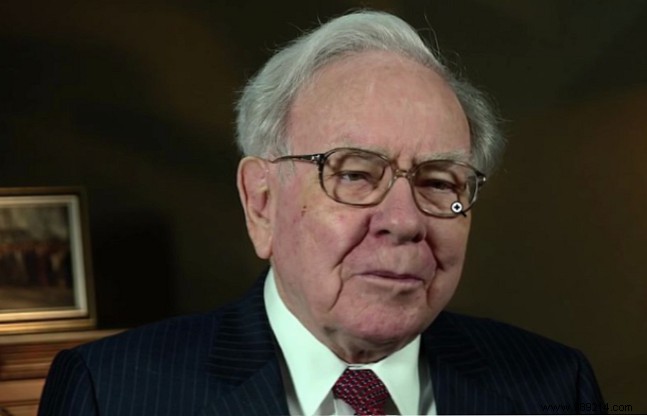
This method sharpens focus on what truly matters, helping you allocate time wisely for both long-term ambitions and daily tasks.
Once priorities are set, measuring progress is key. Ernest Hemingway's priority was writing, so he tracked daily word counts religiously. This eliminated guesswork—he knew exactly what he'd achieved and could unplug guilt-free afterward.
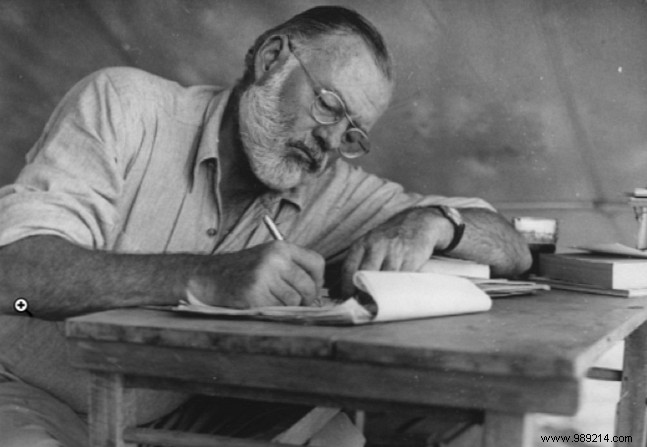
Cal Newport logs deep work hours, while Tim Ferriss applies the 80/20 rule to identify high-impact activities. As the saying goes, "What gets measured gets managed." Start with a simple spreadsheet or habit-tracking app for accountability.
Arianna Huffington, co-founder of The Huffington Post and Thrive Global, handles a massive inbox with three strict rules:
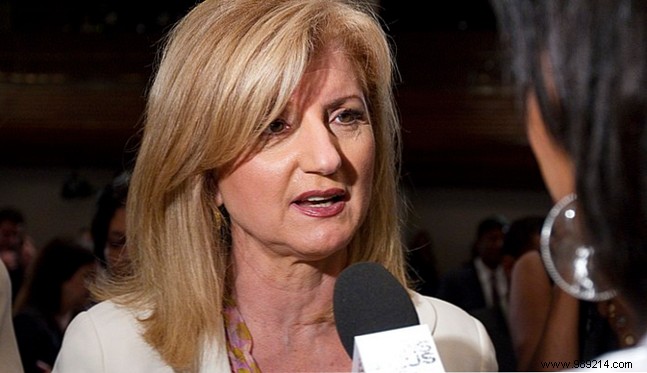
She even uses a vacation auto-responder that deletes incoming emails. These boundaries protect time and well-being.
PayPal co-founder Peter Thiel challenges teams: "How can we achieve our 10-year plan in 6 months?" This thought experiment rethinks constraints, accelerating breakthroughs.
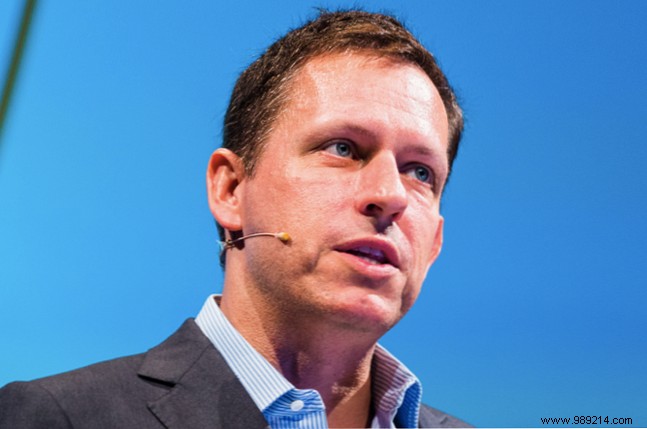
It doesn't mean rushing everything, but forcing creative efficiency to shatter conventional timelines.
Research by Tom Corley in Rich Habits shows 76% of wealthy individuals exercise 30+ minutes daily, including Branson, Zuckerberg, and Oprah.

Branson starts each day with movement for mental clarity and better sleep: "Nothing beats feeling physically and mentally applied every day." No gym? Bodyweight apps make it accessible anywhere.
Elon Musk blocks his calendar in 5-minute increments, as does Bill Gates, maximizing every minute—including downtime.
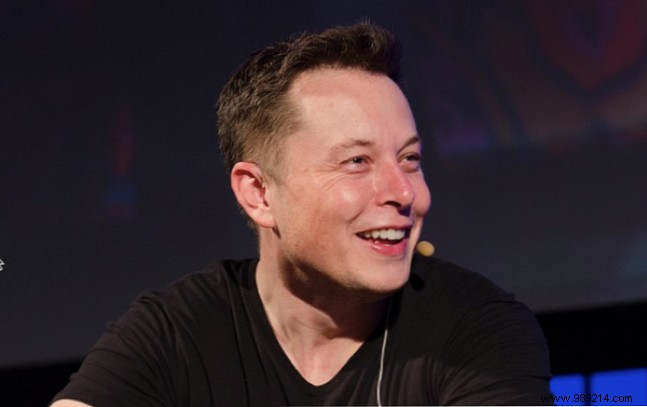
"If it's not on the calendar, it doesn't exist." Time-blocking scales to your needs, turning days into precise productivity machines.
Mark Cuban reads 3 hours daily for a "knowledge advantage." Corley's research confirms: 88% of millionaires read 30+ minutes for self-improvement, not just entertainment.
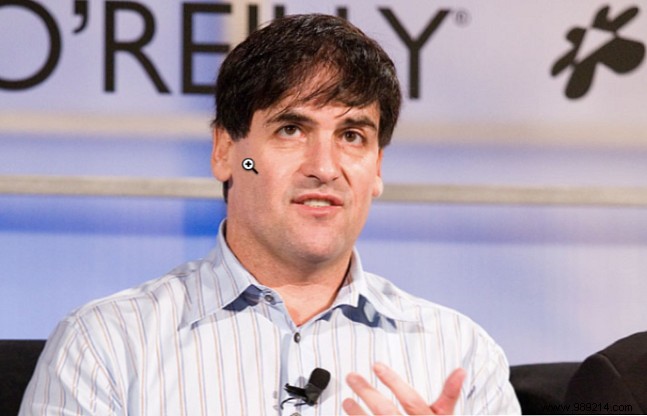
To ramp up, try speed-reading techniques or apps like Blinkist for concise nonfiction summaries.
High-achievers like Ed Sheeran (who ditched his phone to "see the world through my eyes"), Steven Spielberg, and Kanye West periodically unplug to reclaim creativity and presence.
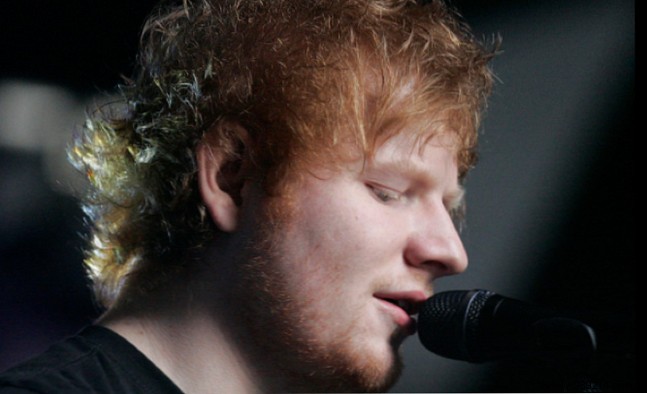
Start small: no screens after 8pm, like BBC's Scott Mills.
Over 80% of top performers on Tim Ferriss's podcast—from Rick Rubin to Arnold Schwarzenegger—practice mindfulness or meditation for stress reduction and focus.

Apps make it practical: just minutes daily to reset and sharpen performance.
Success stems from focus, persistence, and learning—themes woven through these routines. Test one as a micro-habit: Huffington's email rules for inbox peace, Musk's scheduling for output, or Harris-style meditation for clarity.
Which will you try first?
