Remember the thrill of your first home WiFi connection? It opened endless possibilities, sparking a boom in smart devices like doorbells, thermostats, and more. Today, with multiple gadgets per person—from phones and laptops to gaming consoles and e-readers—older WiFi tech struggles to keep pace.
While speeds have improved, legacy routers often handle one device at a time, queuing others and causing delays. WiFi 5 routers manage up to four devices simultaneously, but WiFi 6 takes it further, enabling true multi-device connectivity for smoother performance in busy homes and offices.

Your current router works for basic streaming, but add kids gaming online or multiple streams, and buffering kicks in. Each new device taxes the network further, as signals take longer to cycle through.
In 1941, actress Hedy Lamarr co-patented frequency-hopping spread spectrum technology to guide torpedoes undetected during WWII. This hopping across frequencies laid groundwork for modern WiFi, Bluetooth, and Zigbee—though her genius went unrecognized until 1997, three years before her passing.
ARPANET pioneered computer networking in the late 1960s, evolving into the internet's backbone. Hawaii's 1971 ALOHANET introduced wireless via radio. TCP/IP in 1983 connected networks globally, and the World Wide Web arrived in 1990. These milestones, plus countless innovations, birthed today's WiFi.
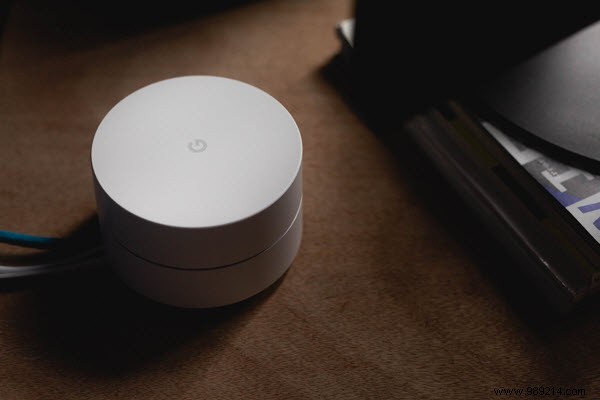
By 2017, U.S. households averaged five connected devices—enough to strain WiFi 5. Today, that number exceeds 15 per home, demanding advanced solutions. Imagine your smart thermostat ecosystem, IoT fridge syncing with Alexa, TVs, tablets, laptops, and work networks—all without slowdowns.
WiFi 6 handles more simultaneous devices and larger data packets efficiently via technologies like OFDMA and enhanced MU-MIMO. In offices, it eliminates congestion during peak hours, boosting productivity.
See also: Top Remote Work Trends in 2019 You Should Learn About
By next year, over 20 billion IoT devices worldwide—2.6 times today's count—will flood networks. Before adding that smart toaster, assess your setup. WiFi 6 future-proofs your sanity. Explore the infographic below for WiFi's history and horizon!

