It's July 2003. You're Mark Zuckerberg, a Harvard sophomore tinkering with a fun coding project—a 'hot or not' photo comparison site called FaceMash. No commercial intent, just enjoyment. Your friends love it, and when it hits Harvard's main servers, your entrepreneurial journey truly begins.
FaceMash demonstrates how even a viral idea can falter. In its first four hours, it drew 450 students and 22,000 photo views. Yet Harvard shut it down for being inappropriate, sparking backlash, especially from women's groups like the Harvard Association of Black Women.
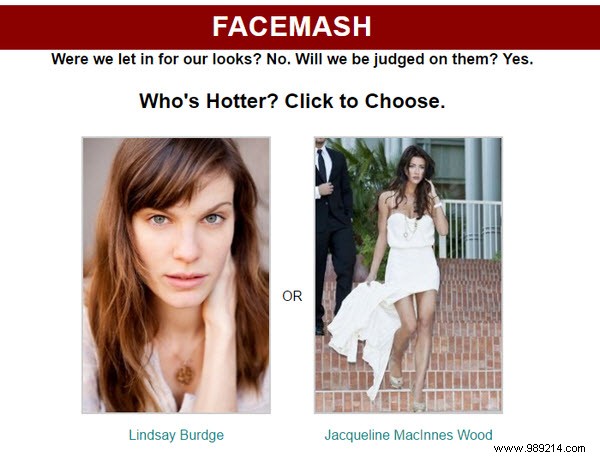
As reported by The Harvard Crimson in November 2003, you faced charges of security breaches, copyright infringement, privacy violations, and potential expulsion. The charges were dropped, but the lesson was clear: An idea is just the start. FaceMash wasn't a formal startup, but regulatory hurdles and public backlash would have killed it. Zuckerberg's pivot to Facebook required overcoming funding, staffing, competition, and more.
Zuckerberg and Facebook thrived, but why do 90% of startups fail? Even with strong ideas and market knowledge, visions crumble.
Marketing expert Neil Patel dives into this in his article, 90% of Startups Fail: Here's What You Need to Know About the 10%. He notes that if you're already gaining traction—like FaceMash—you can delay a formal business plan until funding. Otherwise, it's essential.
Serial entrepreneur Bill Gross of Idealab analyzed his successes and failures, plus recent hits and misses. Surprisingly, timing emerged as the top factor at 42% influence on success.
"Timing is vital," Gross explains. "Are you too early, needing to educate the market? Right on time, like Airbnb during the recession when homeowners needed extra income? Or too late, facing entrenched competitors?"
Team quality ranked second at 32%—the people driving execution, adaptability, and customer experience. Gross emphasizes resilience: Businesses must handle complaints and setbacks. As Mike Tyson said, "Everyone has a plan until they get punched in the face."
Idea uniqueness was third at 28%, followed by business planning (24%) and funding (14%). With traction, planning and funding follow naturally; without it, they're survival essentials.

A solid business plan validates your idea for investors—and yourself. As Gross puts it, "Sensible people see a bad idea unfold on paper and walk away." Project three-year sales forecasts, acquisition costs, staffing needs, server expenses, and free-tier monetization paths. "You'll find there's a lot more to it than you thought," Gross warns.
A comprehensive plan outlines revenue models, marketing, and customer experience—proving you can scale to $50 million and deliver ROI.
Once funded, celebrate briefly, then execute: Meet deadlines, hire talent, negotiate with agencies. As Patel advises, "Focus relentlessly. Ignore shiny new ideas unless they're revolutionary. Eyes on the prize amid obstacles."
Competitors will copy you with cheaper alternatives. As first-mover, saturate the market, integrate rivals' best features, and innovate relentlessly under your brand.
Overlook 'survival of the fittest' at your peril. Disruptors face fierce pushback—big players tie you in legal knots or smear campaigns. Patel warns this stage can destroy hard-won progress overnight.
Your competition fights for survival. Expect attacks: Doctored photos, dug-up dirt in the media. Facebook co-founder Eduardo Saverin's hazing ritual (carrying a chicken) was later twisted into animal cruelty claims to oust him. Zuckerberg learned from FaceMash.
It's unfair, but predictable. Where's 'Chief Defense Officer' (CDO) in your plan? In Sean Lyon's Corporate Defense and the Imperative to Preserving Value, he stresses proactive defenses: Anti-piracy, contingencies for espionage, PR attacks, or internal sabotage. "These threats are real," Lyon says. "Get ahead or stay vulnerable."
Per Patel and Gross, failures stem from poor planning, distraction, and ignoring Darwinian realities.
Gross affirms: "Startups unlock human potential like nothing else. Don't miss a step."
Inc.com's Geoffrey James adds: "Great entrepreneurs need one thing: courage. Plan all you want, but without pig-headed determination, you'll fail."
A FaceMash business plan might have foreseen pitfalls. Only Zuckerberg knows if he'd change anything.
See also: 10 Unstoppable Entrepreneurs Share Their Tips for Success
