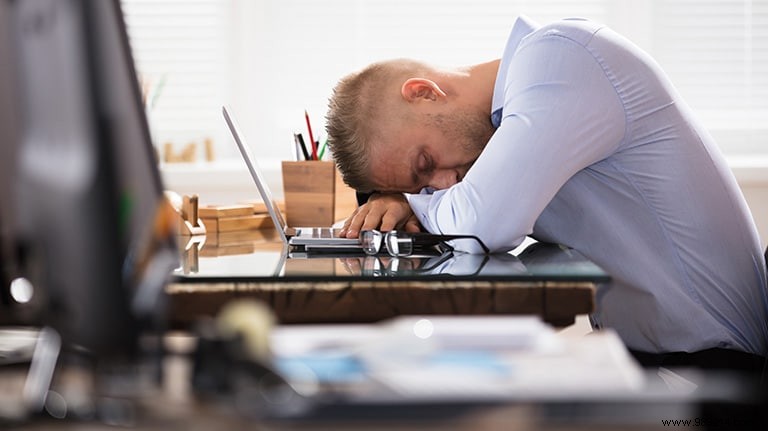
We spend about one-third of our lives asleep, yet modern life often shortchanges this vital process. Our fast-paced world, driven by immediacy and constant acceleration, disrupts natural sleep rhythms.
However, the body has limits. Chronic stress, a common byproduct of this pressure, infiltrates daily life and directly impairs sleep—causing difficulty falling asleep, nighttime awakenings, and early morning risings.
Moreover, poor sleep fuels stress: bad nights lead to heightened irritability, lower tolerance for frustrations, and escalating tension, perpetuating a vicious cycle that can result in insomnia. Research from the National Institute of Sleep and Vigilance confirms stress as a primary trigger for occasional, reactive insomnia.
Stress isn't inherently bad—it's an adaptive response. In threatening situations, it ramps up heart rate and hormones like adrenaline and cortisol to prepare the body. But chronic stress exhausts reserves, weakens immunity, and invites health issues, worsened by sleep deprivation.
In the workplace, job stress arises from an imbalance between demands and resources. Multifactorial chronic stress frequently disrupts sleep, health, and performance, leading to:
Relieving stress is essential to protect sleep—and overall well-being.
Sleep and Nutrition
Our circadian rhythm regulates hunger hormone ghrelin (daytime peaks) and satiety hormone leptin (nighttime peaks), programming us to eat by day and fast at night.
Regular meals anchor these rhythms, signaling bedtime with dinner. Plate composition matters too—balance is key in portions, ingredients, and timing.
Expert recommendations include:
Sleeplessness boosts appetite, snacking, and weight gain.
Tryptophan, in pulses, bananas, dark chocolate, cashews, aids serotonin and melatonin production.
Herbals like valerian, passionflower, verbena, hawthorn (from herbalists) relax.
Sleep and Screens
We've lost over an hour of sleep daily in the last 50 years, thanks to electricity (1879), TV (1960s), internet (1994), and smartphones (2007).
Electricity enabled night work (1 in 4 employees), late TV, and endless digital access, tipping day-night balance. Screens hyperstimulate brains, delaying melatonin via blue light.
Key impacts:
Limit evening NTICs to avoid 'social jetlag' across generations. Late awakenings are less restorative (noise, heat, light).
Sleep Hygiene: Lifestyle Tips for Quality Rest
Daytime:
Evening:
Naps
Cultural taboo aside from weekends, naps thrive in China and some Japanese firms—aligning with biology.
Vigilance dips post-lunch (1-3 p.m.) and evening; ignore it at your peril.
Nap types:
Benefits: Muscle repair, lower cortisol/dopamine; boosts alertness, memory, focus, debt recovery. Time mid-afternoon; full-cycle wakes feel best.
References
Sources
Writing
