Follow-up can be challenging. It seems straightforward, but factors like time constraints, forgetfulness, and the fear of seeming pushy often get in the way. Yet, in professional networking—from job interviews to mentorship requests—persistent, thoughtful follow-up is essential.
As a seasoned career strategist with years of experience guiding professionals through networking challenges, I've seen firsthand how consistent follow-through separates top performers from the pack. Drawing from real-world examples and proven tactics, here's how to do it right.
People forget. In an era of information overload—think endless emails, meetings, and notifications—your message easily gets buried. Even with advanced task management systems, busy professionals juggle hundreds of interactions daily.
Strategic follow-up sets you apart. Steli Efti, a renowned sales leader, followed up with an investor 48 times before securing a meeting. It worked. At minimum, persistence yields a clear "No," freeing you to pivot.
Whether pursuing jobs, advice, freelance gigs, or connections, mastering follow-up boosts response rates and builds trust.
Here are five battle-tested strategies to elevate your game.
The foundation of effective follow-up is mindset. Decide upfront that no response means you'll follow through. Skip it only for low-stakes outreach. Pre-committing eliminates hesitation.

Don't rely on memory—systematize it. Start simple with a spreadsheet tracking dates, contacts, emails, and next actions. Color-code: green for sent, purple for responses.
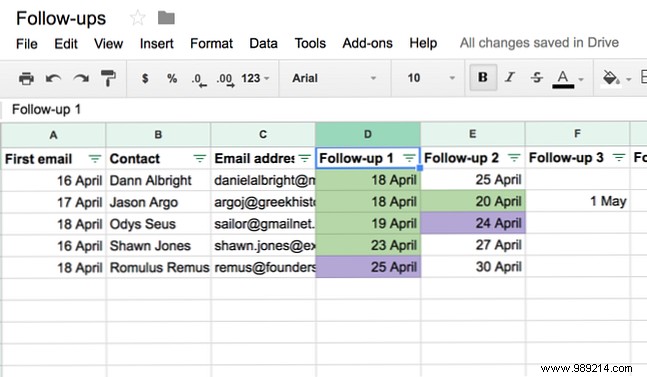
Customize columns for contact methods, times, or notes. Alternatives include task apps like Wunderlist or Evernote. For iPhone users, leverage Siri reminders; Android has Call Reminder apps. Email tools shine here: Airmail for macOS, Boomerang for Gmail (schedules reminders and auto-follow-ups), or Rebump and LeadCooker extensions.
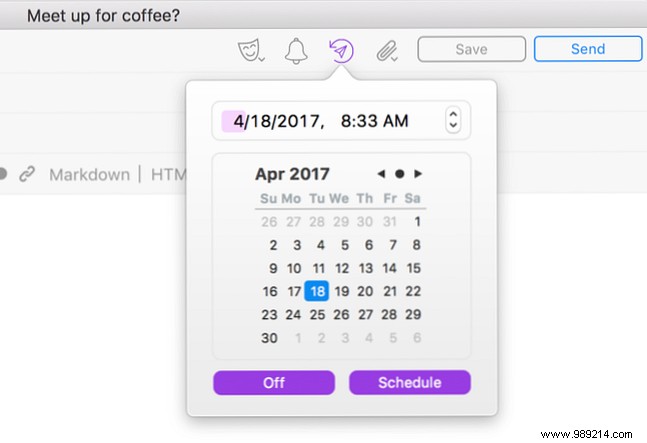
Pick what fits—consistency is key.
Tailor timing to context. For freelance or blogger outreach, follow up next day, then 2 days later, then weekly. Post-interview, wait a week before calling.
Email data shows 10 AM or late evenings work well—experiment. For calls, stick to business hours (avoid lunch), respect time zones, and vary if needed. Always pause: Is now optimal? Adjust accordingly.
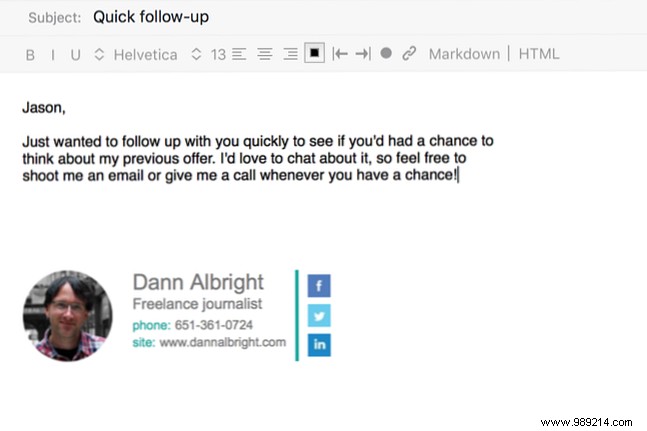
Respect their time. Reference prior context briefly, restate your ask clearly: "Hi [Name], following up on my email about [topic]. I know you're busy—looking forward to your thoughts!" Include original message below if helpful.
For calls: Identify yourself, recap, specify next steps (e.g., "Can we chat next week?").
Non-responses rarely mean rejection—they signal busyness. Many appreciate reminders. Avoid daily pings; space thoughtfully until you get clarity, even a "No."
Systems vary by industry and style. Share yours: What tools work? How long do you persist? Drop your tips in the comments!
