Juggling multiple projects at work and home often feels overwhelming—like mold creeping across your workspace, fueling anxiety as tasks pile up and slip away. The good news? A straightforward system exists to eliminate that chaos, realign your efforts, and keep everything on track long-term.
Coined by Cal Newport, mathematics professor and productivity expert, Full Horizon Planning (FHP) is a robust workflow that outperforms flawed to-do lists—which often falter amid distractions (explore 4 Popular Productivity Tips to Ignore). FHP thrives even against daily interruptions.
Newport describes workflow systems as “a set of habits and tools used to organize the work you do and when you do it. And when [he] says 'crash,' [he's] referring to the amount of value it produces.”
FHP isn't a one-size-fits-all solution, but it's a compelling alternative to systems like David Allen's Getting Things Done (Organize 2015: Learn the Martial Art of Getting Things Done), monotasking, or time blocking (Get Things Done: 10 Inspirational Videos; Try Time Blocking). It blends and refines these ideas. Here's Newport's approach, paraphrased:
For active projects, focus not on vague abstractions but on the “brutal physicality of time.” This means concrete scheduling to avoid overcommitment and maximize progress.
Many overplan tasks months ahead, leaving no buffer for life's curveballs like illness or unexpected chores, derailing everything.
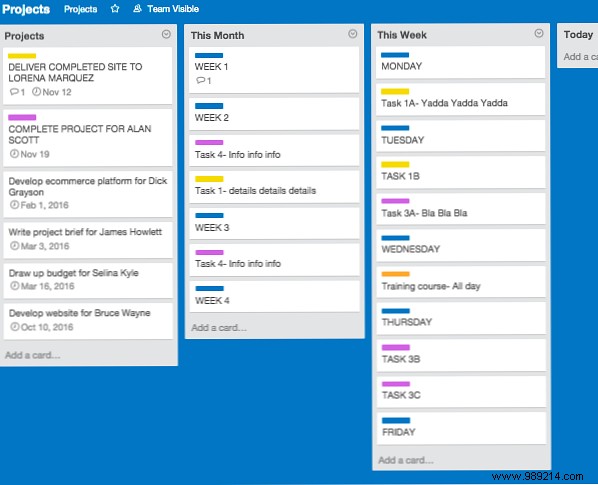
Let's illustrate with Trello (see our guide: Trello - A Unique, Simple and Powerful Project Management System), a tool I've used successfully for this setup.
Create four lists:
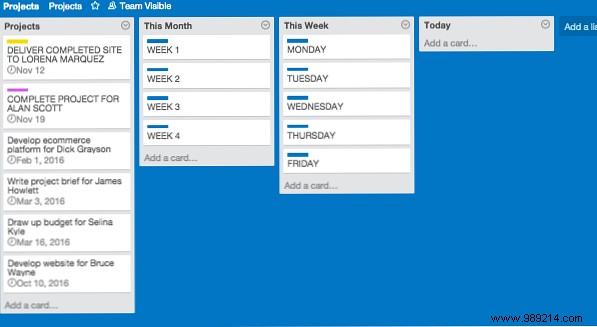
Add projects to the “Projects” list. Label and capitalize active ones for visibility.
For each active project, add a comment outlining key steps and rough timelines. This builds clarity without over-specifying yet. (Assuming multi-month projects here.)
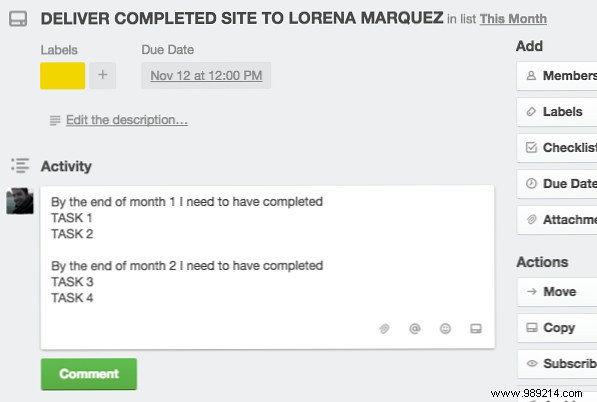
Note: This is your first granularity level—no specific weeks or days yet.
At month-start, pull milestones from project summaries into “This Month.” Use matching labels, assign to weeks, and duplicate/break down as needed.
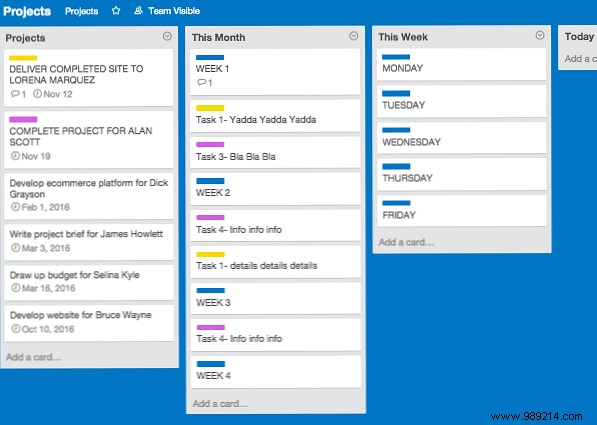
If milestones slip, adjust flexibly to hit project deadlines.
Monday mornings: Review the week's milestones from “This Month,” drag to “This Week,” and assign days. Adjust for changes like training sessions.
Start each day with 10-15 minutes: Pull from “This Week” to “Today,” blocking specific times. Adapt to surprises but stick to blocks for discipline.
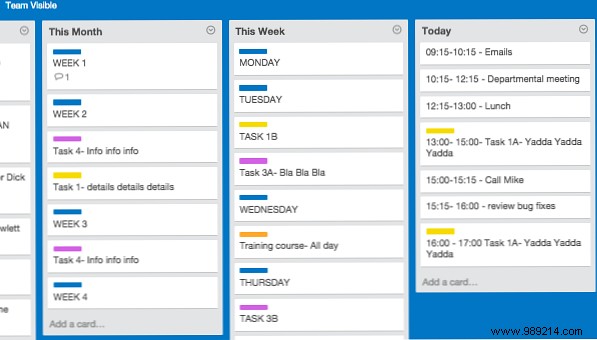
The example schedules a full day, including meetings and email, with key tasks split.
End-of-day: Clear “Today.” End-of-week: Clear “This Week.” End-of-month: Clear “This Month,” review projects.
Ideal for complex, deadline-driven projects without rigid long-term schedules. Test for 2 weeks; tweak to fit. It becomes second nature.
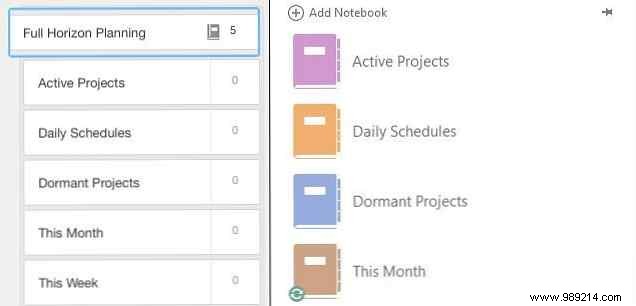
Newport uses notebooks per level (month/week/day). Paper boosts focus (6 Simple Reasons Why Paper Can Still Be Your Killer Productivity App).
Mimic notebooks digitally (OneNote is Now Truly Free). Trello edges them out for visual drag-and-drop ease.
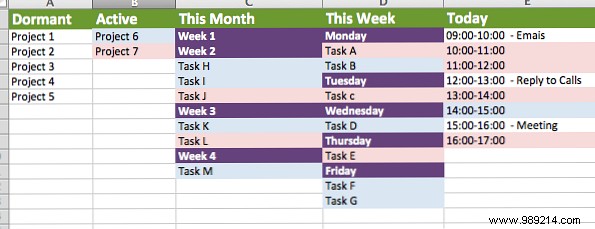
Recreate lists/tabs (Saving Time With Text Operations in Excel). Less fluid than Trello for rearrangements.
FHP handles multiple projects flexibly, without rigid forecasts. It demands upfront effort but fueled Newport's output across academia, writing, and blogging—without burnout or late nights.
Could FHP work for you? How would you adapt it? Or do you prefer alternatives like the 3-Strike System?
