As an Excel power user with years of experience managing complex spreadsheets in professional environments, I've seen how overlooking key file settings can lead to costly errors. When inheriting a workbook from a colleague, take control from the start with these five proven checks to ensure smooth handling and avoid disruptions.
Many users overlook the document information panel, but it's a quick win. Inherited files might contain outdated or sensitive details in fields like Title, Tags, Categories, or Author that could embarrass you when sharing.
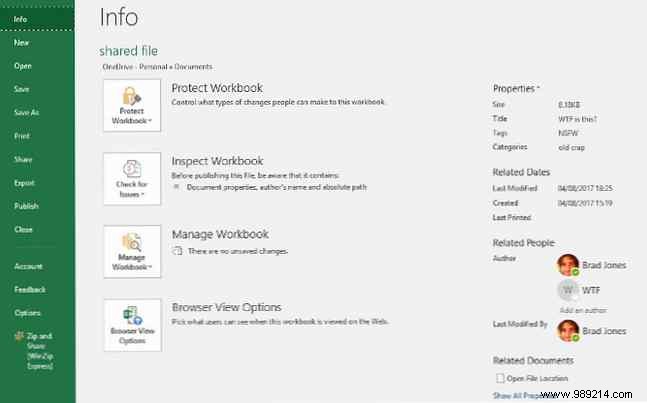
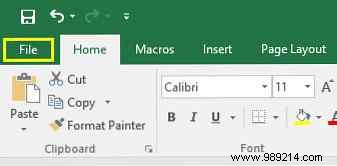
Access it via File > Info. Spend 30 seconds reviewing and updating to maintain professionalism and security.
Resist the urge to edit immediately—small changes can break VBA macros or formulas. Always save an unaltered copy to revert if needed. For VBA details, see our Excel VBA Programming Tutorial for Beginners.
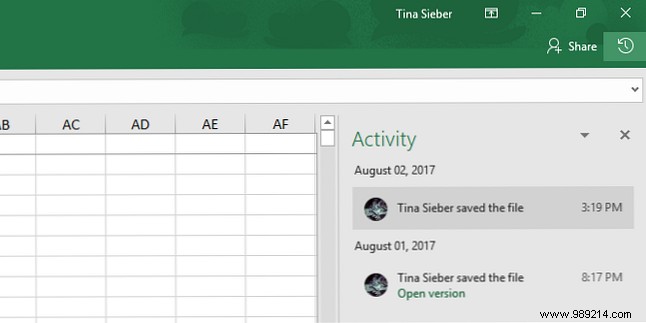
Excel's version history offers recovery: Click the arrow/clock icon top-right, expand Activity, and select Open version.
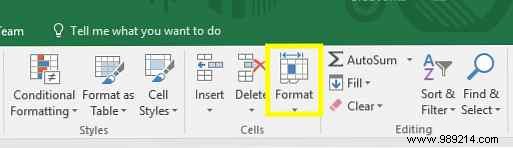
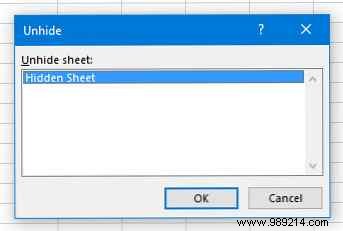
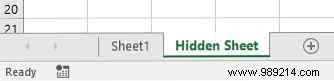
Hidden sheets often hold critical calculations. Reveal them via Home tab > Cells > Format > Hide & Unhide > Unhide Sheet.
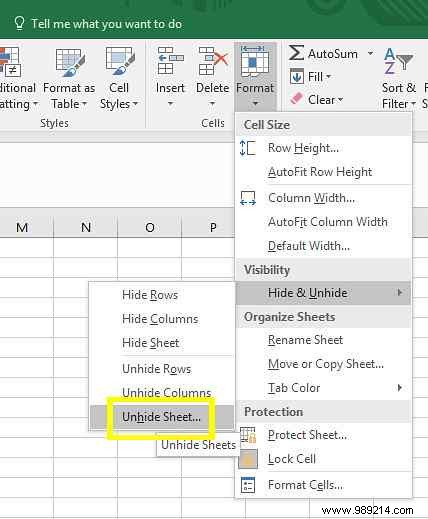
Select from the list and click OK.
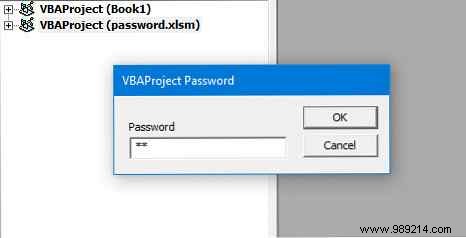
Password protection may block VBA edits or sheets. Check upon opening and request passwords from the creator. To remove VBA passwords, refer to our guide: How to Recover an Excel VBA Password.
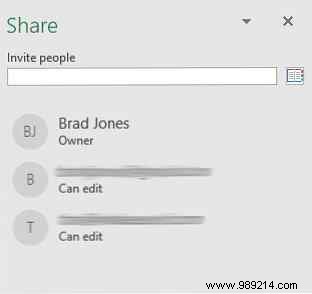
Office 365 sharing enables real-time collaboration, but verify access. Does the original author or others retain edit rights? Revoke if needed to protect data.
Click Share top-right for the user list and permissions.

Important spreadsheets impact teams—issues become your responsibility. Proactive checks save time. Related guides: How to Print an Excel Spreadsheet on One Page, How to Create a Dropdown List in Excel, How to Use IF Statements in Excel, and How to Use Goal Seek and Solver in Excel.
