In early 2018, Google updated Calendar for all users and deeply integrated Google Tasks. This powerful duo can replace any standalone to-do app, streamlining your workflow seamlessly.
One major frustration with third-party to-do apps for Google Calendar users is syncing issues. While sync options exist for popular apps like Todoist or Remember The Milk, they're often cumbersome and unreliable.
Instead: Why not consolidate your calendar and tasks in one intuitive platform?
The default Google Calendar view is clean but basic.
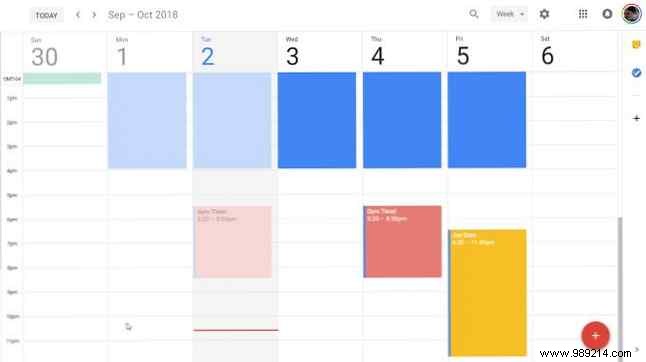
Enabling Google Tasks transforms it into a robust productivity hub.
Google Tasks has evolved significantly from its early days, when browser extensions like GTasks were needed for basic functionality. The modern version offers a sleek interface, easy organization directly from Gmail, and seamless Calendar integration—making it a complete to-do solution.
You access Tasks by clicking its icon on the right sidebar in Google Calendar.
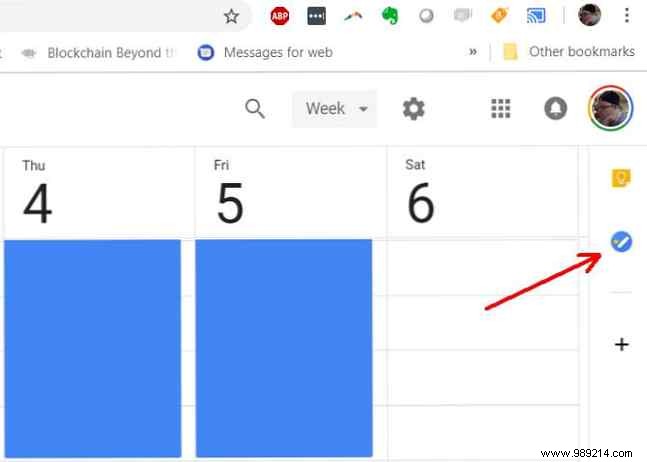
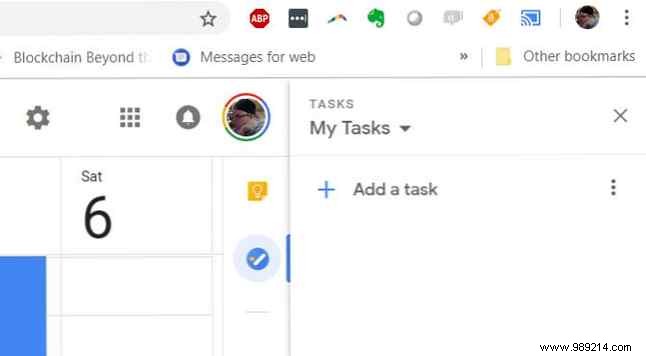
This docks Tasks alongside your calendar view.
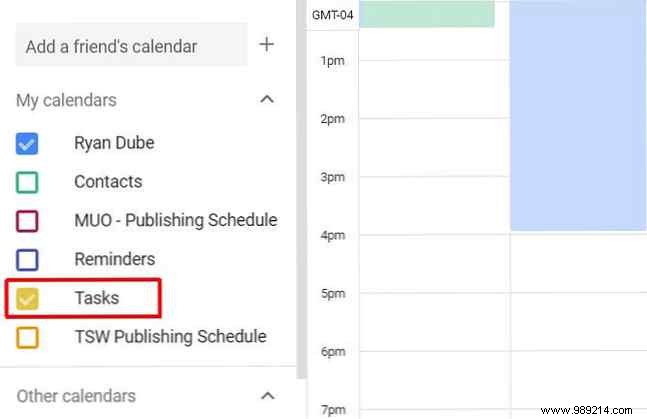
To enable it, check the Tasks box in the left navigation menu.
Now, set up and organize your tasks. If migrating from apps like Todoist, follow these steps to transfer everything effortlessly—Google Tasks and Calendar handle it all and more.
The key to this system's power lies in smart organization within Google Tasks.
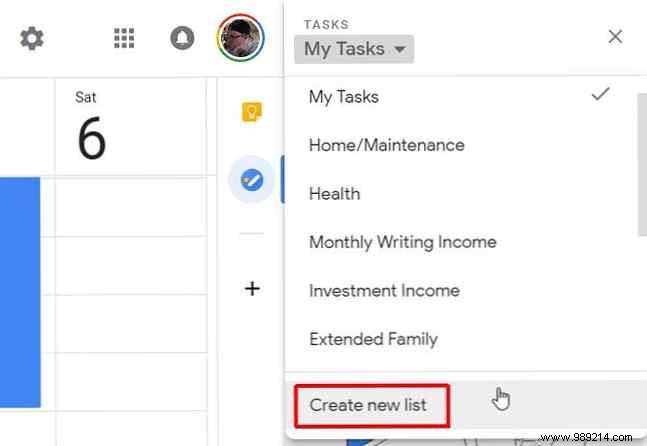
First, gather your goals and associated tasks. Create a dedicated list for each high-level goal.
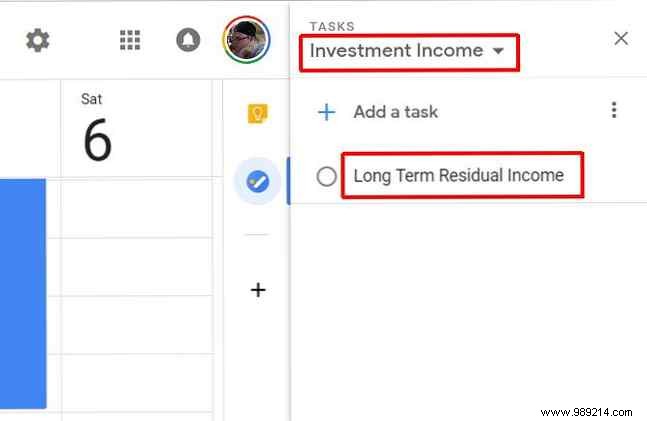
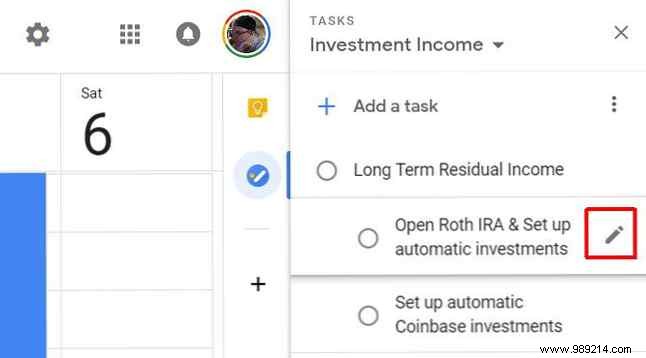
Add sub-goals as main tasks, then nest subtasks beneath them.
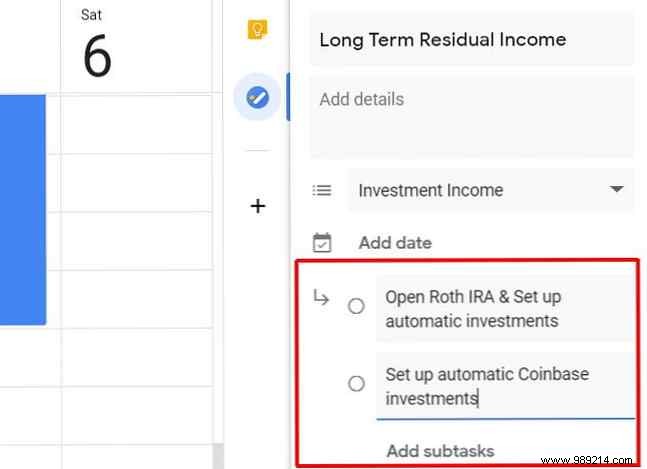
Edit a sub-goal to add steps: type each and hit Enter.
Assign realistic due dates, considering your full calendar load. Note: Set dates from the main list view by editing tasks.
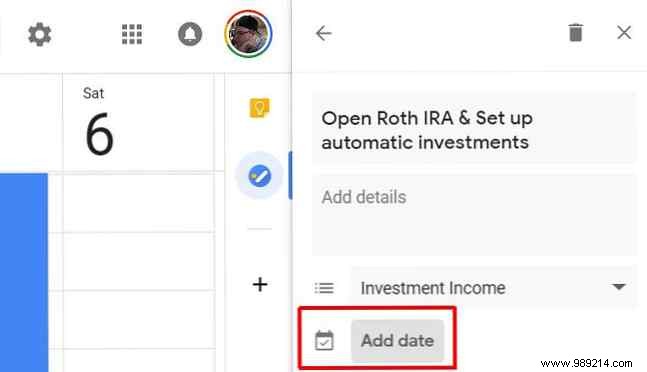
Use start dates for tasks—this is a game-changer. Unlike most apps that prioritize by due date, Calendar integration visualizes your true workload.
Tasks appear at the top of their due dates on the calendar.
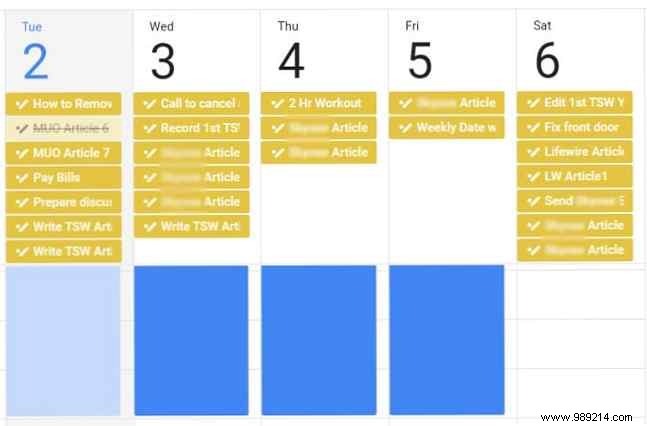
This reveals overloads instantly. Weekly (e.g., Sundays), adjust dates by editing tasks.
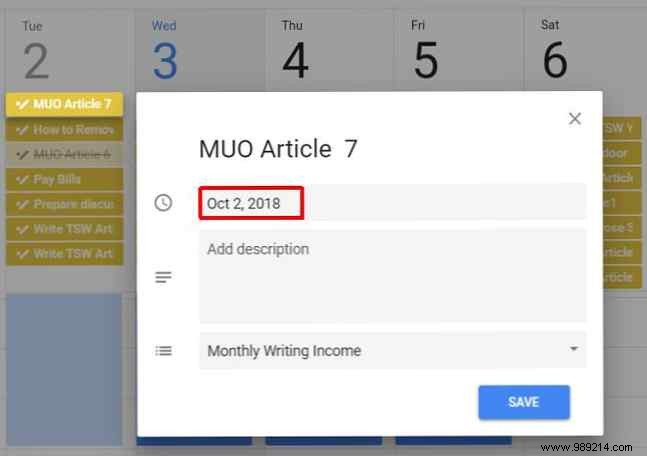
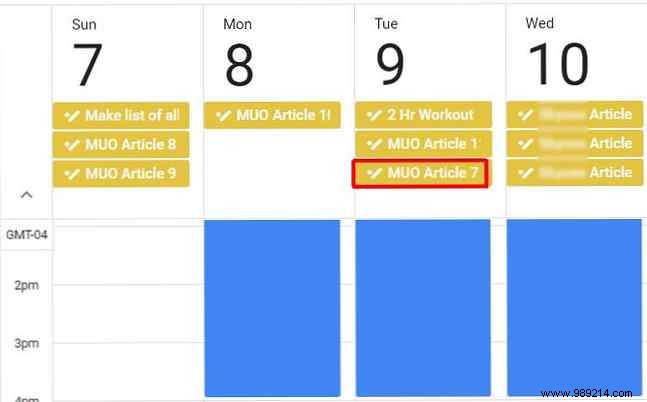
Daily or weekly, time-block tasks. This embodies 80/20 time management, ensuring feasible daily loads.
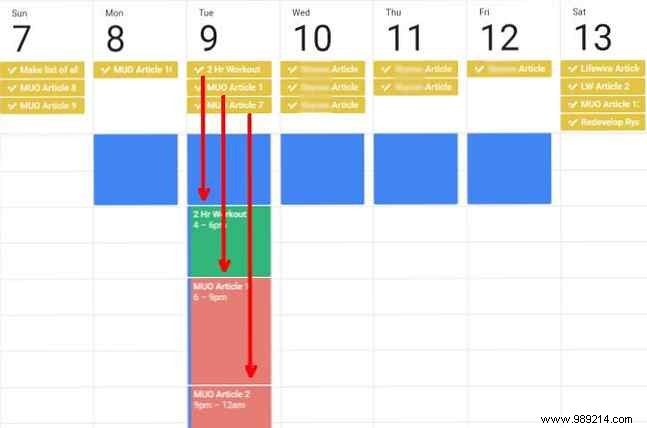
This visual method requires adjustment from traditional lists, but here are pro tips:
This setup keeps priorities front and center. For more strategies, explore time management techniques to focus on what matters most.
