PowerPoint presentations have a reputation for being dull, but with the right tools, they can captivate any audience. As a presentation specialist with years of experience crafting high-impact slides for businesses and events, I've mastered PowerPoint Online—the free, browser-based version of Microsoft's powerhouse app. It stores files in OneDrive, integrates seamlessly with Office 365, and supports real-time collaboration. While it skips some advanced desktop features, these 10 proven tips will help you create polished, professional decks that keep viewers engaged.
Whether you're on a mobile device or desktop browser, PowerPoint Online delivers versatility without the full software install. Office 365 users get even more perks, like syncing with desktop PowerPoint for tweaks. Let's dive in.
Presenting on various devices? Skip awkward browser zooming. Use the native View > Zoom feature for precise control.
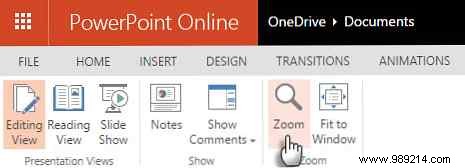
The same toolbar offers Reading View for full-screen comfort on small screens—ideal for quick reviews.
Auto-saves to the cloud are great, but download offline copies via File > Save As > Download a Copy.
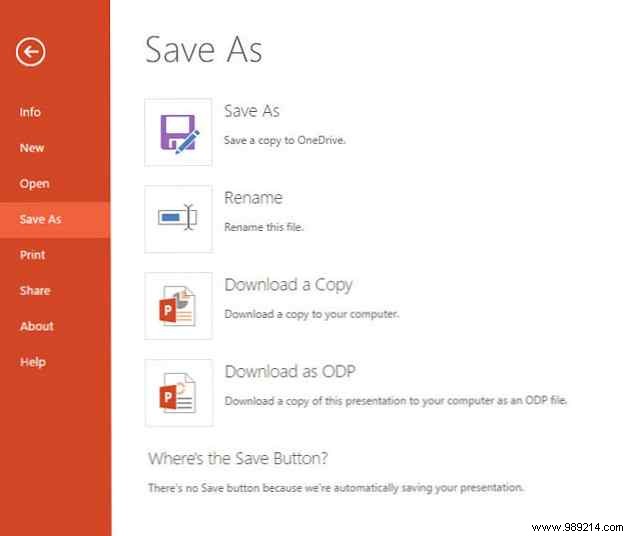
Export as ODP for compatibility with other tools (note: some features may not transfer fully).
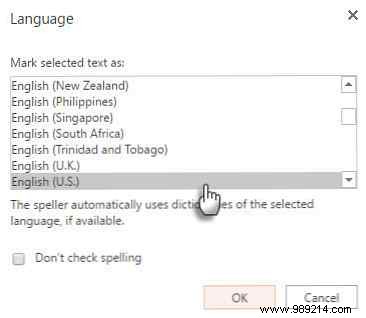
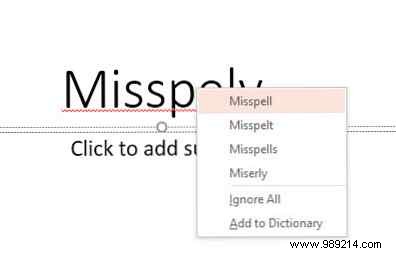
Avoid typos on the big screen. PowerPoint Online uses Microsoft's robust spell checker—red underlines flag errors. Right-click for suggestions or set language via Set Text Language.
It may feel slightly slower online, but it's reliable.
Collaborate in real-time? Click the chat icon (in edit view) for Skype group chats named after your file.
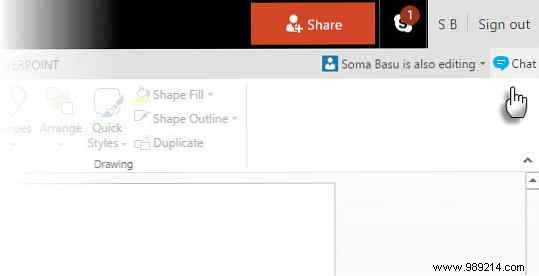
Add calls or video, continue in Skype apps, and invite non-Office users.

Host browser-based slideshows for remote audiences—no PowerPoint needed on their end. From desktop PowerPoint: File > Share > Present Online.
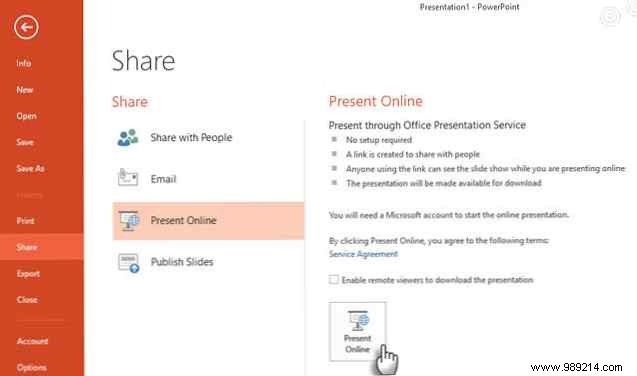
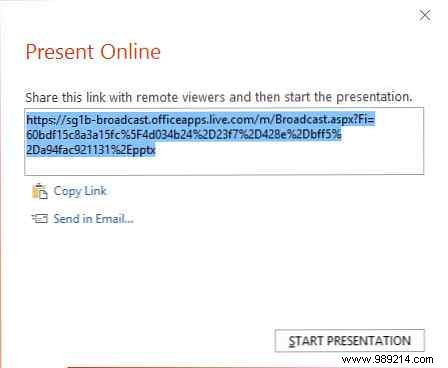
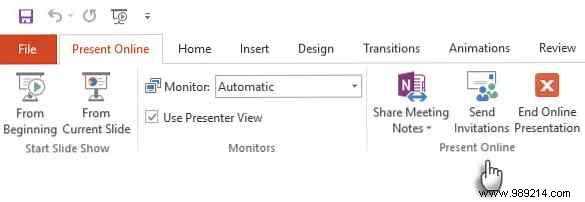
Share links, send mid-presentation invites (ESC to pause), and end cleanly. Requires a free Microsoft account.
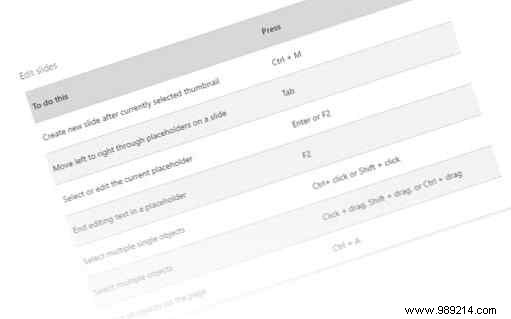
Browser conflicts some keys (e.g., Ctrl+P prints the page). Check the full list and use Ctrl + ' for the Tell me search box.
Copy-paste across slides, apps, and even desktop Office—formatting intact. For web images, save locally first and insert via Insert > Pictures.
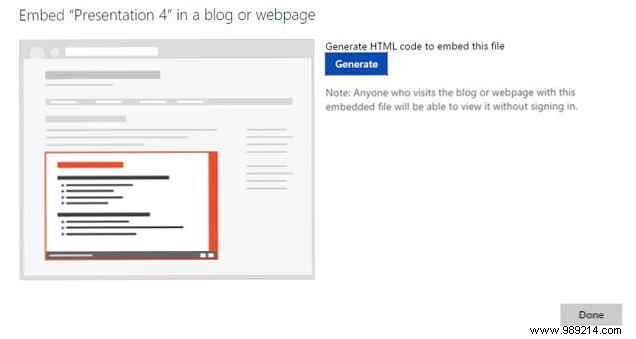
Embed interactive decks on websites. Go to File > Share > Embed > Generate for customizable code (size, auto-advance).
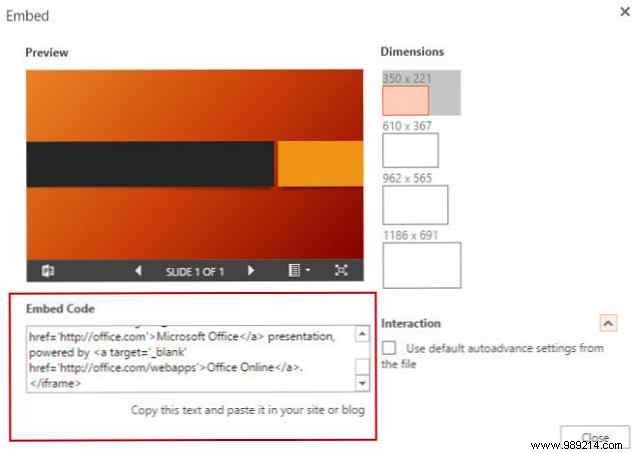
Audience navigates directly in-browser—no downloads required.
Create handouts or speaker notes: File > Print > Print to PDF.
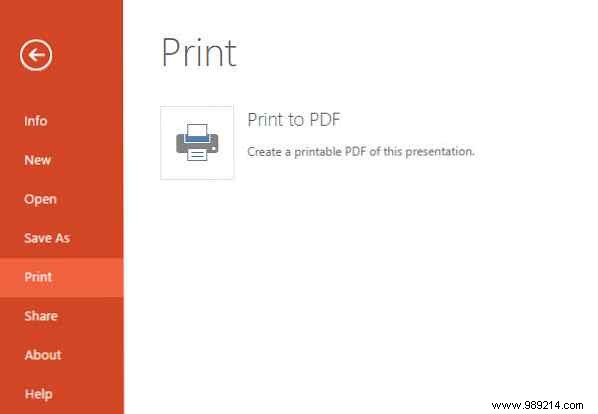

View in any PDF reader.
For narrative-driven content over data-heavy slides, try Sway. It auto-designs responsive stories—perfect for quick, mobile-friendly shares. Collaborate just like PowerPoint.
PowerPoint Online rivals Google Slides for simplicity and beats it with desktop sync. It's ideal for quick edits or teams. How do you use it? Share your tips below.
