Before accepting your next job offer, take time to ensure you'll truly enjoy the company. Otherwise, you risk spending months or years in a role you dread.
Even in PayPal's early days, co-founder Peter Thiel prioritized a 'close-knit rather than transactional' team. In his book Zero to One, he shared that hires needed talent and genuine excitement about working specifically with his team.
Thiel's approach built a culture that drew powerhouses like Elon Musk (Tesla, SpaceX), Reid Hoffman (LinkedIn), and Jawed Karim (YouTube).
He encouraged recruits to ask, 'Are these the people I want to work with?' Just as interviewers assess candidates, candidates should evaluate if the company is a unique personal fit. If not, it's likely not the right match.

This mindset reduces the chance of hating your job, boosts satisfaction, fosters strong relationships, and drives career success.
But how do you assess if an employer is right for you?
Before tailoring your resume—ensure it's polished with this checklist—clarify what you seek in an employer. What would make you eager to dedicate hours there?
Treat perks skeptically. Health insurance might be non-negotiable, but free lunches? Consider preferred projects, autonomy level, solo vs. team work, relaxed vs. deadline-driven environments—beat deadlines with these 5 simple tips—flexible hours for gym time, or innovation over rigid processes.
Companies often sell an idealized image to candidates. Start by reviewing it.

Visit the 'About Us' page, culture section, or blog for their portrayed values.
Dig deeper via social media for recent projects and communication style. Buffer's site, blog, and feeds, for example, highlight openness and transparency.
People leave managers, not jobs. Learn about potential bosses, especially direct reports.
Search LinkedIn for the company and review top profiles to gauge cultural fit.
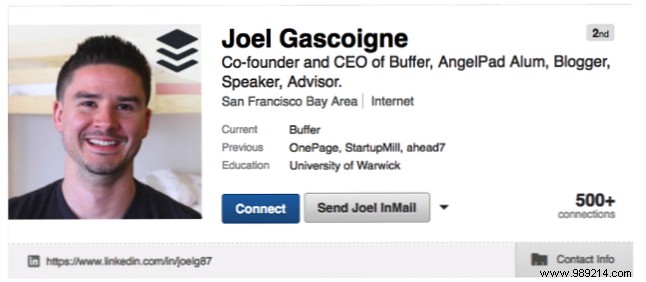
Ex-military backgrounds suggest discipline; shared influencers indicate aligned values; serial entrepreneurs favor bold mindsets; MBA/multinational vets imply bureaucracy. Common interests could spark friendships—though nothing's guaranteed, it illuminates the environment.
Check Glassdoor and Indeed for current/former employee insights, including interview tips.
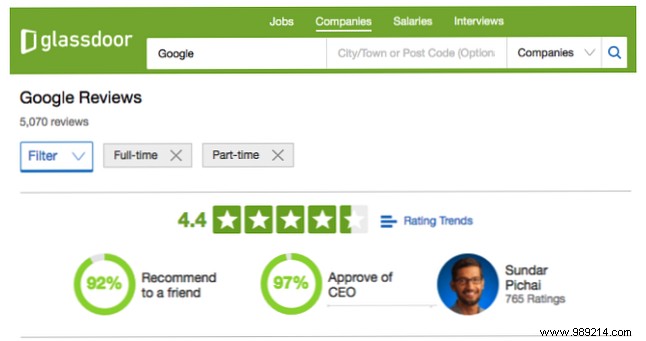
Reviews are anonymous and skewed toward extremes, skipping 'average' experiences. Treat as indicators: recurring themes likely hold truth.
Customer treatment reveals operations. How do they handle errors or queries?
Anonymous extremes again, but patterns suggest reality.
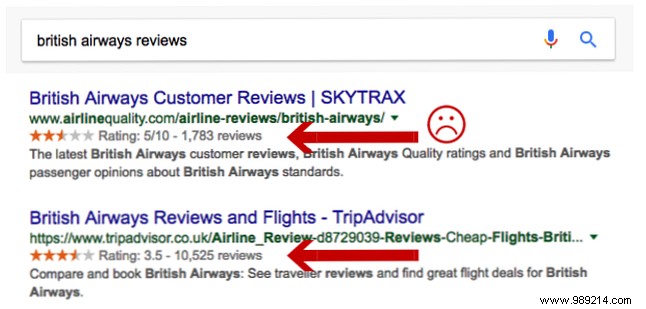
Scan Facebook, Yelp (for locals), Google '[Company] Feedback,' or Twitter mentions.
Nothing beats firsthand insight. Arrive 10 minutes early for interviews to linger in the lobby. For larger firms, check The Muse reviews.
Note interactions: silent passes, friendly greetings, equality vs. hierarchy, overall happiness?
Interviews go both ways—assess fit too.

Question style reveals culture: technical focus signals skills emphasis—prep for scheduling interviews here—team questions predict collaboration; odd queries suggest unconventional approaches.
When asked for questions, probe: traits of top performers, standout employee examples, retention reasons. Specifics and examples yield detailed, non-cliché insights.
This research pays off by avoiding mismatched applications and toxic roles—squeeze an extra hour daily with these tips.
Echoing Thiel: Ask, 'Are these the people I want to work with?' If no, move on.
How do you evaluate companies? What resources do you trust most?
