Rules might not always be fun in everyday life, but in Microsoft Outlook, they're a game-changer. These powerful tools act as lifesavers, reclaiming your time and banishing inbox clutter. Whether you're using Outlook 2016 on desktop or Outlook.com in your browser, mastering rules will transform how you manage email.
Outlook rules are automated actions that help you organize emails effortlessly. They can move messages, flag them for priority, or send alerts for specific senders. Once created, rules apply to incoming (or outgoing) emails, keeping your inbox tidy without manual effort.
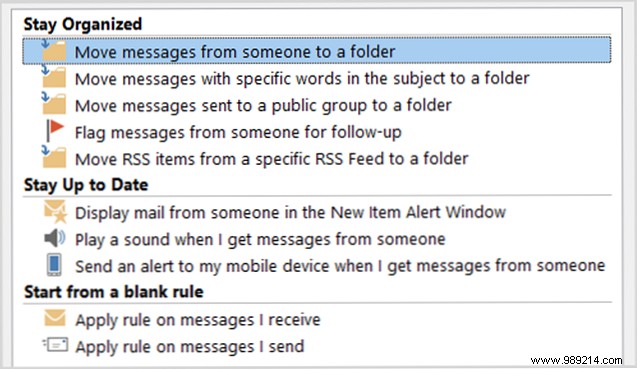
While commonly used for received messages, you can also set rules for sent emails—like notifications for delivery or read receipts, or even delaying sends. (For recall tips, see How to Retrieve an Email in Outlook After Sending.)
At work or home, rules streamline communication and highlight priorities. Here are relatable examples:
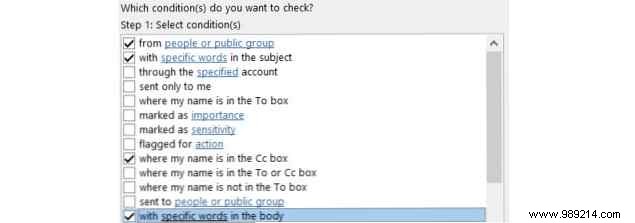
Outlook's flexibility allows advanced setups:
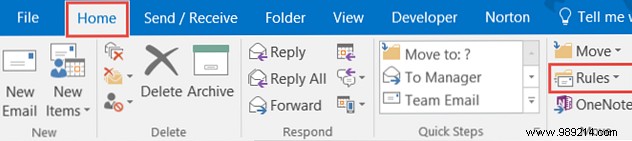
In Outlook 2016, find Rules in the Home tab under the Move section.
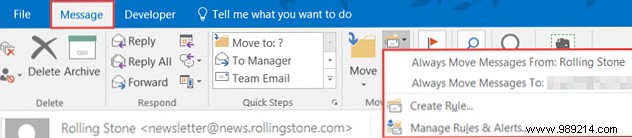
For an open message, check the Message tab. Quick options include Always move items from a sender or to you into folders, plus Create Rule or Manage Rules and Alerts.
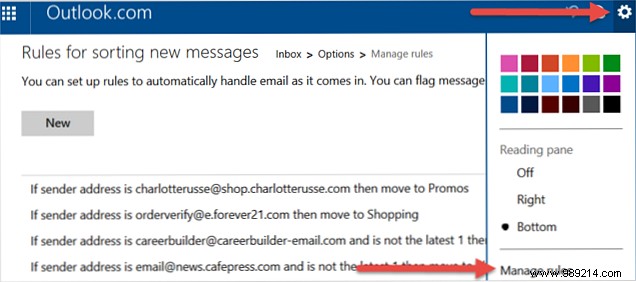
Outlook.com offers robust rules, plus features like undo send and inline replies. Click the gear icon, then View all Outlook settings > Mail > Rules to see active rules.
Quick rules handle common tasks with one click. For custom needs, go to Rules > Create Rule. Select conditions and actions via checkboxes.
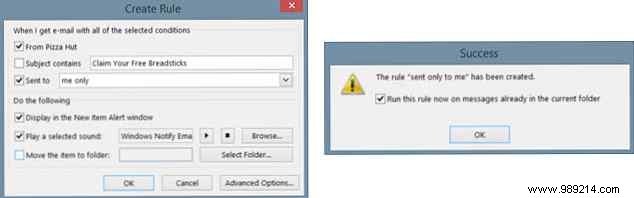
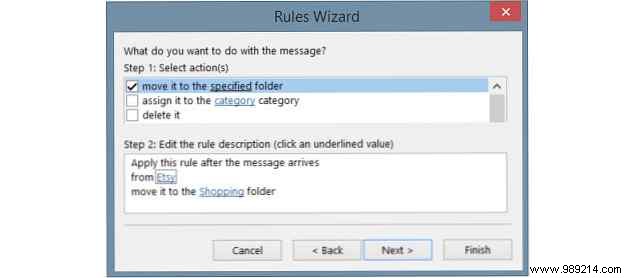
Click OK to finish, or Advanced Options for the Rules Wizard. Alternatively, Manage Rules > New Rule launches the wizard directly.
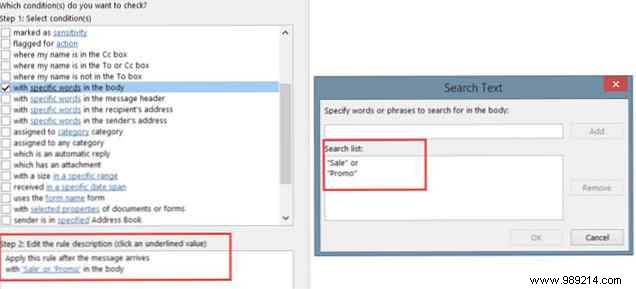
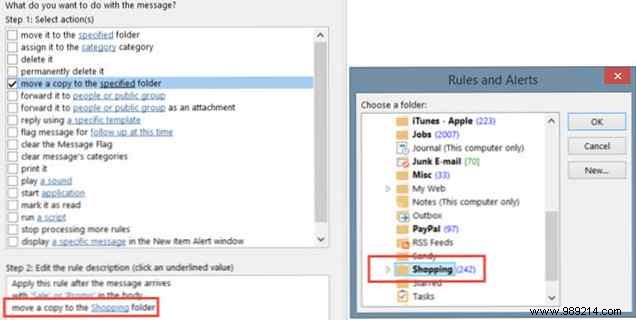
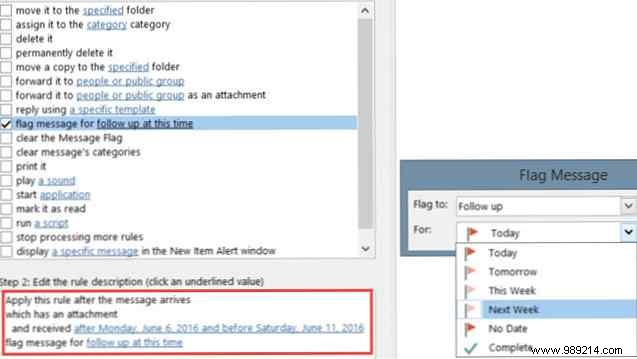
Check conditions (e.g., specific words), edit parameters via links, then add actions like moving to folders.
Proceed to actions:
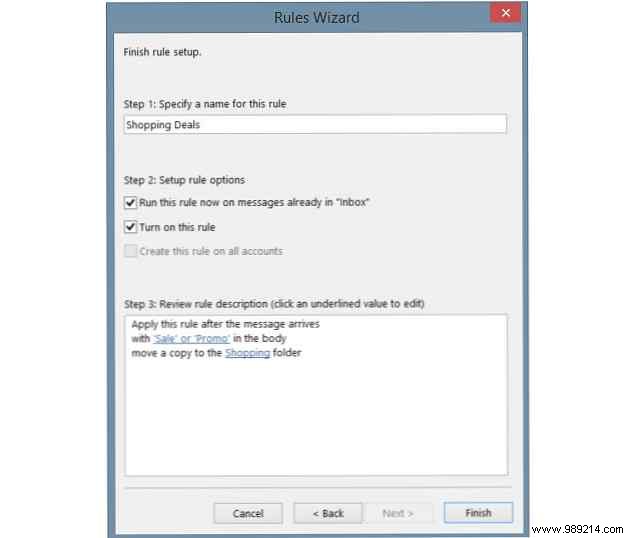
Name the rule, run it on existing messages if needed, and activate it.
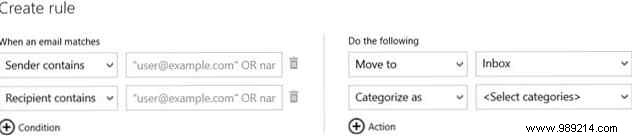
Click gear > Manage rules > Add new rule. Select conditions and actions from dropdowns, adding multiple via the + icon.
Refine parameters and delete errors with the trash icon. Click Save.
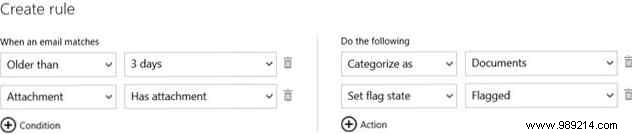
Here's how rules shine in daily use:
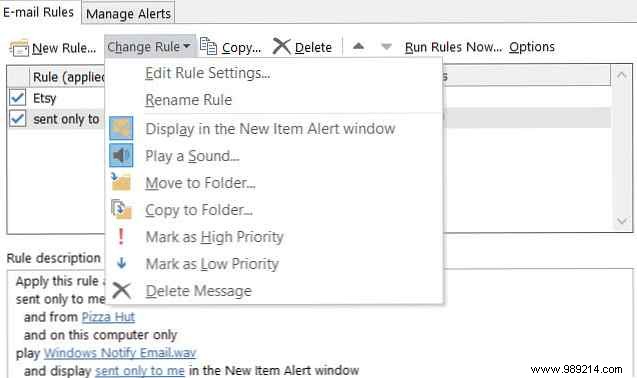
Rules > Manage Rules and Alerts lists all rules for editing, copying, deleting, or running. Export/import via Options.
Gear > Manage rules for viewing, sorting, editing, or deleting.
Rules eliminate searching, ensure you catch priorities, and declutter your inbox—like auto-organizing incoming emails. (See MS Outlook Tips for more.) Once set up, they're quick to maintain, freeing time for what matters. (Explore 6 Best Practices to Improve Your Workflow.)
Do you use Outlook rules? How have they helped? Share in the comments!
