It's more important than ever for your content to be as visually compelling as the data it represents. Presentation doesn't have to be dull or dry. Whether you need a quick solution or advanced data processing, these four proven tools will help transform your data into striking visuals that leave a lasting impact.
Intuitive for beginners, with advanced capabilities as your skills grow.
Data visualization can be complex, but Tableau Public offers an accessible entry point. This intuitive software lets you import data from text files, Excel spreadsheets, or Access databases effortlessly. Drag and drop dimensions and measures to build charts—no steep learning curve for basics.
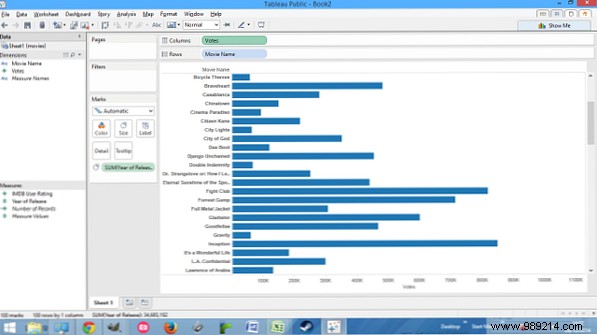
Experimentation unlocks more: interactive dashboards, advanced analytics, and storyboards. As a data journalist with years of experience, I've used Tableau Public to create publication-ready visuals that engage readers deeply. Mastering it rewards with endless possibilities.
Fast, simple data views integrated with Google services.
Google Fusion Tables simplifies legacy visualization challenges. Upload spreadsheets from your computer or Google Drive, and it automates processing for charts, graphs, and maps. Embed or share effortlessly, with Google Maps for location data like heatmaps or colored plots.
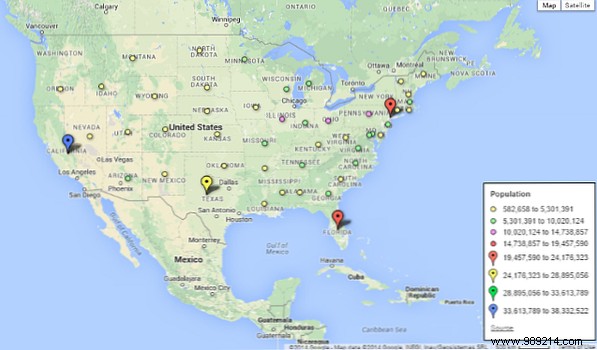
In my workflow, it's ideal for quick reports or blog graphics, streamlining what once took hours.
Robust infographic builder with extensive customization.
Infographics blend charts, text, and images for cohesive storytelling. Infoactive's web-based templates deliver professional results without design expertise. Include bar charts, line graphs, maps, and more in elegant, scrollable documents.
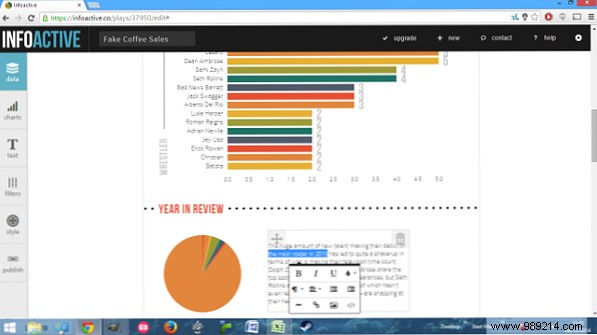
Though still evolving, it produces designer-quality output. From my projects, it's perfect for complex narratives that captivate audiences.
Powerful for experts seeking precise, custom control.
R demands investment but offers unmatched flexibility. This programming environment lets you script tailored visualizations. A working knowledge of languages like JavaScript enhances it, ideal for unique, repeatable outputs.
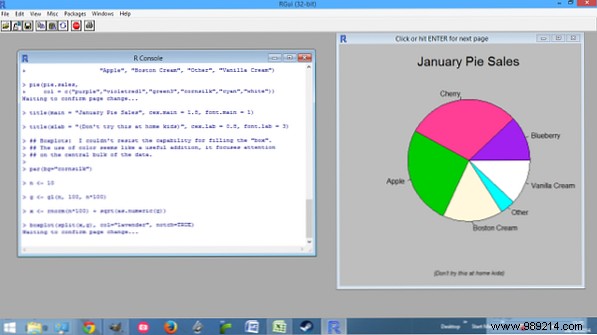
For frequent data work, R's precision endures. Free courses on Coursera can accelerate learning.
What's your go-to tool for data visualizations? Share in the comments.
