As email management experts with years of experience optimizing workflows for professionals, we know the pitfalls of using inboxes as file storage. Attachments can quickly fill quotas or risk data loss. Here's our proven guide to efficiently bulk download attachments from major providers like Outlook, Gmail, and others.
We've tested these methods extensively across Gmail, Yahoo, Outlook, and beyond. They integrate seamlessly with filters to keep your inbox organized—similar to setting up rules in these services. Explore the options below tailored to your provider.
Share your preferred method in the comments.
For Outlook desktop users, a simple VBA macro handles bulk downloads reliably without advanced setup.
Download the mAttachmentSaver macro from Microsoft's official site, extract the ZIP, then open Outlook and press Alt + F11 to open the VBA editor. Press Ctrl + M, navigate to the extracted folder, select mAttachmentSaver.bas, and click Open. Press Ctrl + S to save and close the editor.
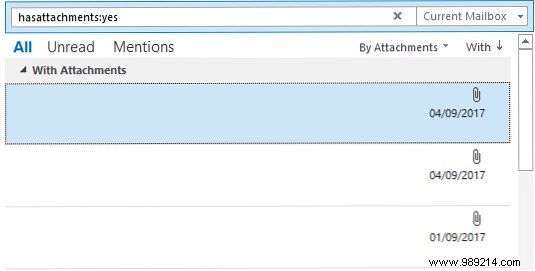
In your inbox, search hasattachments:yes to filter emails with attachments. Pro tip: Adopt these 6 Best Practices for Outlook to supercharge your workflow.
Select all with Ctrl + A, a range with Shift-click, or individuals with Ctrl-click.
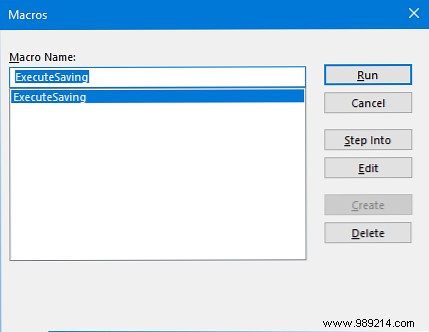
Press Alt + F8, choose ExecuteSaving, click Run, select your export folder, and click OK.
The 'Save Emails and Attachments for Gmail' add-on automates exports to Google Drive hourly—no manual runs needed.
Visit the add-ons page, click Get to open a Google Sheet, grant permissions, then go to Extensions > Save emails and attachments > Create new rule.
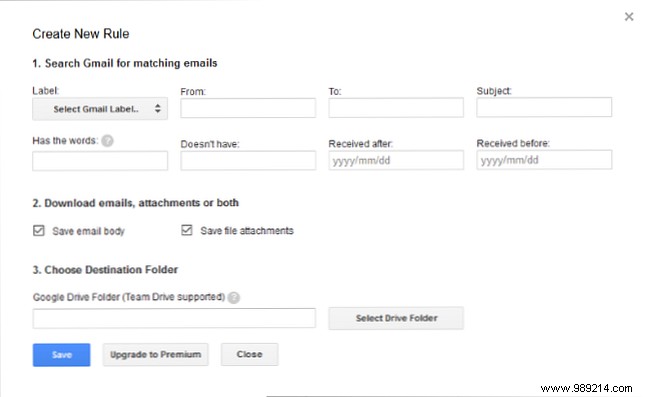
Set filters by sender, subject, or date. For all attachments, select your inbox label, check Save attachments only, choose a Drive folder, and click Save.
Run manually via Run > Run now; monitor progress in the sheet. Download from Drive as needed.
This versatile app supports Gmail, Yahoo, Outlook, AOL, and more—ideal for multi-provider users. Free version covers basics; pro unlocks advanced filters and Exchange support. See full licensing details on their site.
Download, extract, and run the installer. Click Settings, select your Mail server, enter Account and Password. Note: Enable POP/IMAP for some providers like AOL.
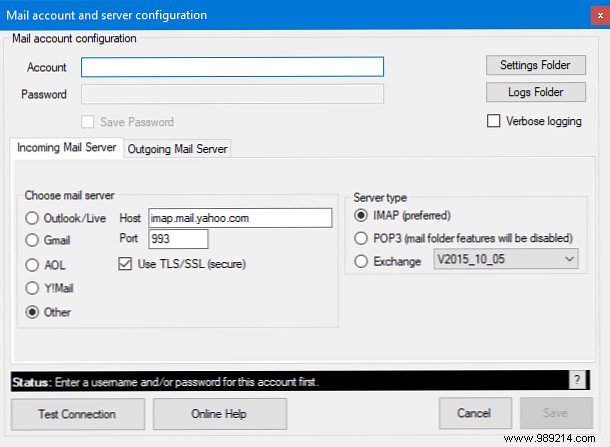
Test connection, then Save. Customize save path, folders, date ranges, and filters (sender/subject). Hit Connect and download.
For broad compatibility and filters, go with Mail Attachment Downloader. Outlook/Gmail users: stick to native macros/add-ons. Avoid Apple Mail pitfalls with these 4 tips.
Which method worked best for you? Share your tips below!
