Microsoft's email ecosystem has evolved through multiple rebrands, creating confusion with names like Hotmail, Windows Live Mail, and Outlook. What do terms like "Outlook.com" or "Outlook Mail" really mean? As tech experts who've tracked these changes for years, we're here to clarify everything.
Hotmail was once a top email provider alongside Gmail. Launched in 1997 and acquired by Microsoft, it stood out for its independence from ISP inboxes like AOL. The early version, MSN Hotmail, no longer exists.
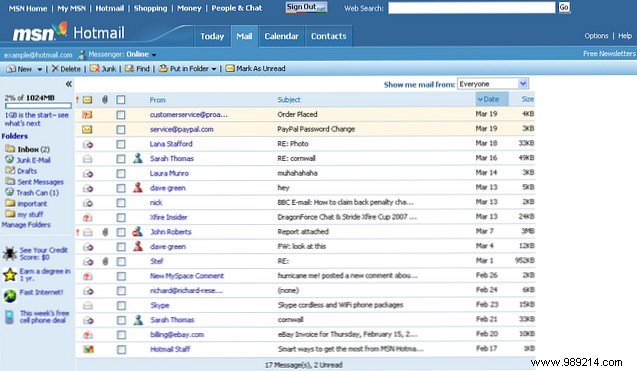
In 2005, Microsoft introduced Windows Live services to enhance the Windows experience, including tools like Windows Live Writer and Essentials.
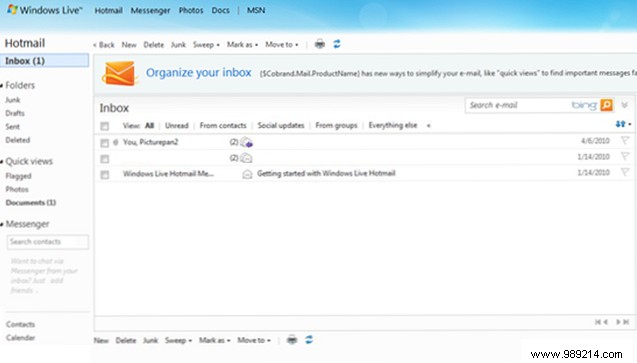
Microsoft initially planned to replace Hotmail with Windows Live Mail, but beta feedback led to Windows Live Hotmail instead. The Windows Live brand ended in 2012, with components integrated into Windows, rebranded (e.g., Windows Live Search to Bing), or discontinued.
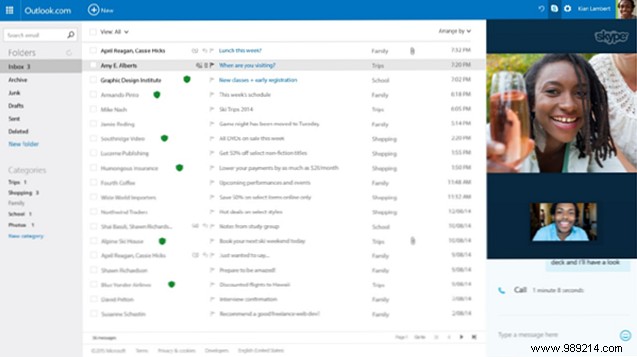
Simultaneously, Outlook.com launched as a rebrand of Windows Live Hotmail, featuring a modern interface and enhancements. It's not "Outlook Online"—that's a common myth. Existing @hotmail.com addresses remain, but new accounts use @outlook.com. Both run on the same service.
Outlook.com is now the official name for Microsoft's email service, succeeding Hotmail and Windows Live Hotmail.
Originally, the Hotmail website seamlessly accessed Hotmail email. Today, it's more complex.
In 2011, Microsoft launched Office 365, initially for businesses but now for all users, evolving into a robust cloud suite.
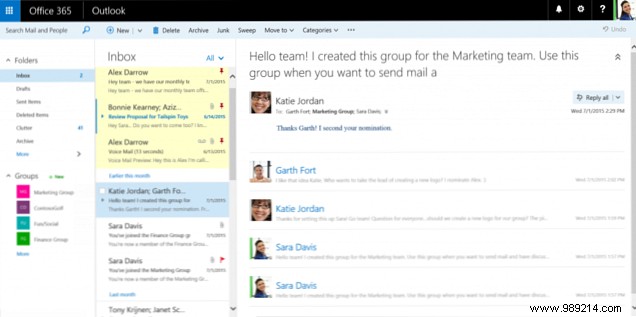
In 2015, as part of Office 365, they released Outlook on the web (formerly Outlook Web App), including Outlook Mail, Calendar, People, and Tasks.
Outlook Mail is the key web client, akin to the old Hotmail interface. Outlook.com provides the backend service; Outlook Mail is the frontend interface. Not "Outlook Online."
Outlook Mail accesses Outlook.com; one is the client, the other the service.
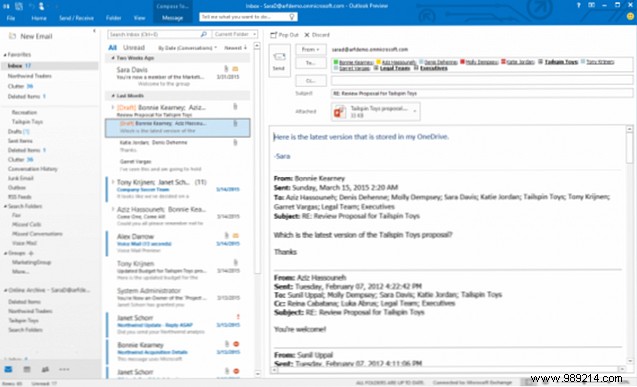
Desktop naming adds to the mix. Microsoft Outlook (or just Outlook) has long been the premier desktop client, debuting before Windows 3.1 and gaining popularity with Outlook 97 in Office 97. Subsequent Office versions refined it. Sometimes called Office Outlook to distinguish it.
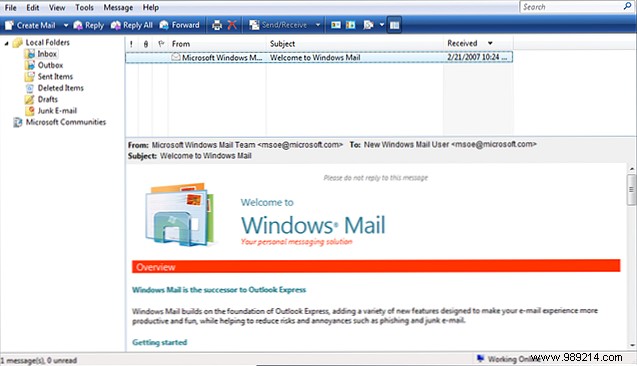
Don't confuse it with Outlook Express (bundled with Internet Explorer from 1996), succeeded by Windows Mail in Windows Vista (2005), then Windows Live Mail in 2007. These were unrelated to the main Outlook.
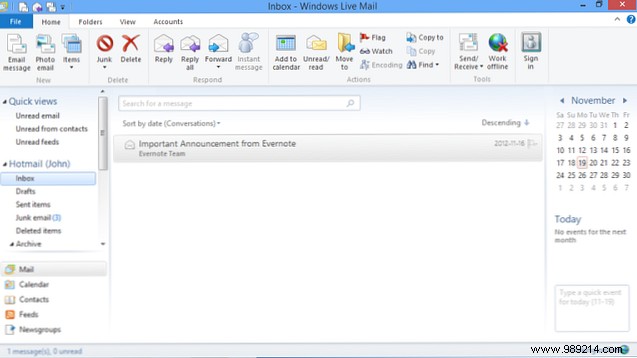
In Windows 10 and later, only Microsoft Outlook matters for desktop use, compatible with Outlook.com or other accounts.
Microsoft's rebrands can overwhelm, but here's the essentials:
Outlook Express, Windows Mail, and Windows Live Mail are obsolete except on legacy systems. Stay updated with the latest Windows patches for security.
Did this clear things up? Share your thoughts or questions in the comments. Not an Outlook fan? Learn how to forward Outlook emails to Gmail.
