Family Encyclopedia >> Work

How to Create Professional Charts and Graphs in Excel: A Step-by-Step Guide

Visualizing data with charts and graphs in Excel can transform complex numbers into clear, impactful insights. With years of experience helping professionals analyze data, I've found Excel's charting tools to be incredibly powerful and user-friendly. You can even create auto-updating charts for dynamic reports—check out our guides on powerful charts and tables or auto-updating charts in 3 easy steps.

If you're short on data, start with free sample datasets from dummies.com.

Enter your data, then select it all with Ctrl + A, or highlight specific cells for targeted charts. For the best chart type, see our expert guide: 8 Types of Excel Charts and When to Use Them.
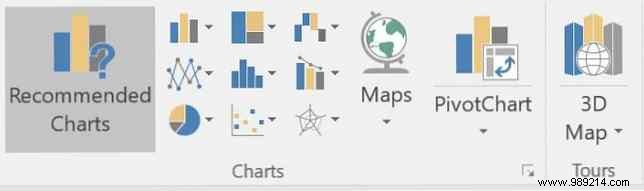
How to Create a Chart or Graph in Excel

  • Select your data, then go to the Insert tab and the Charts group. Choose:
    1. Recommended Charts for Excel's smart suggestions based on your data.
    2. Or pick a specific type: Column/Bar, Pie, Line, Hierarchy, Scatter, and more.How to Create Professional Charts and Graphs in Excel: A Step-by-Step Guide
  • Excel instantly generates the chart—your data now visualized.
  • Customize for perfection:
    1. Click Chart Elements (+) to toggle titles, data labels, axes, gridlines, legend, etc.
    2. Click Chart Styles (paintbrush) for themes and color schemes.
    3. Click Chart Filters to show/hide specific data series.
  • Charts are dynamic: Edit source data, and the chart updates live.
  • Right-click the chart to switch types, add trendlines, or more.

Easily copy charts into Word, PowerPoint, or Photoshop for polished designs.

What charts do you create most in Excel? Share your tips or favorite tools in the comments!
