Dropdown lists in Excel streamline data entry by restricting inputs to predefined options, minimizing errors like typos or inconsistencies. As an Excel expert with years of experience building forms and data tools, I've relied on these features for efficient spreadsheets. Whether for surveys, inventories, or reports, mastering dropdowns boosts productivity.
Follow these proven steps to set up a custom dropdown:
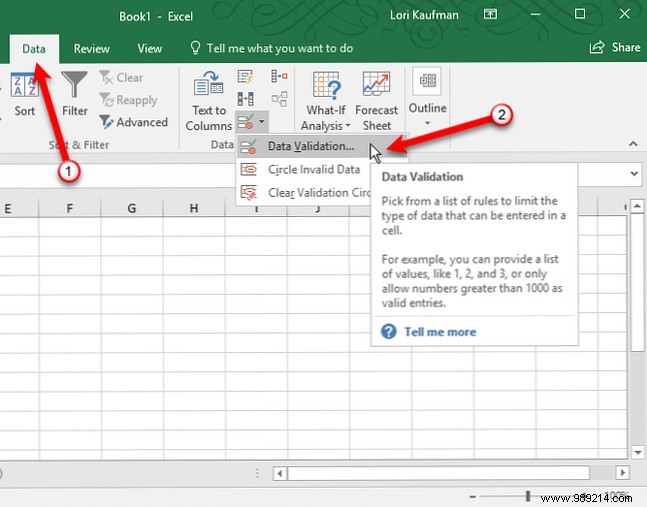
=YourRangeName (e.g., =Food) in Source, and click OK.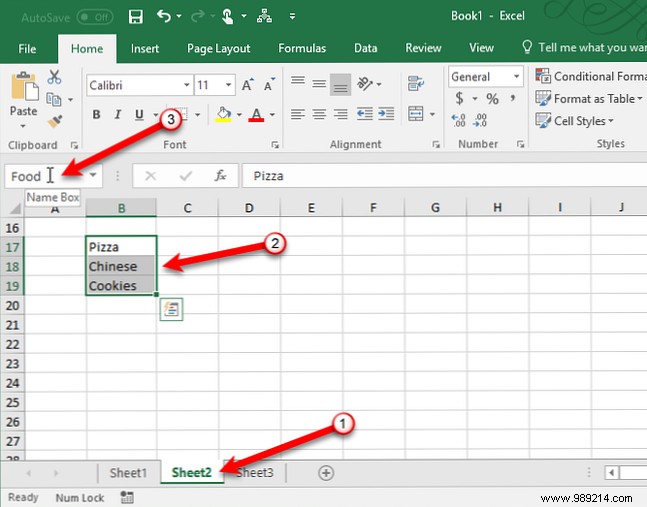
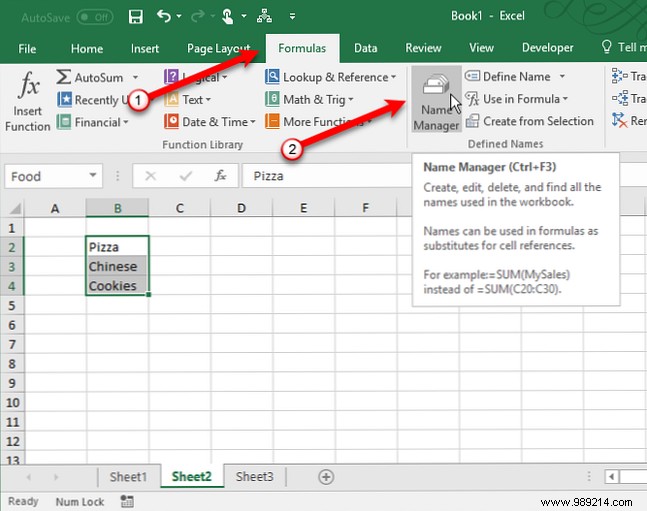
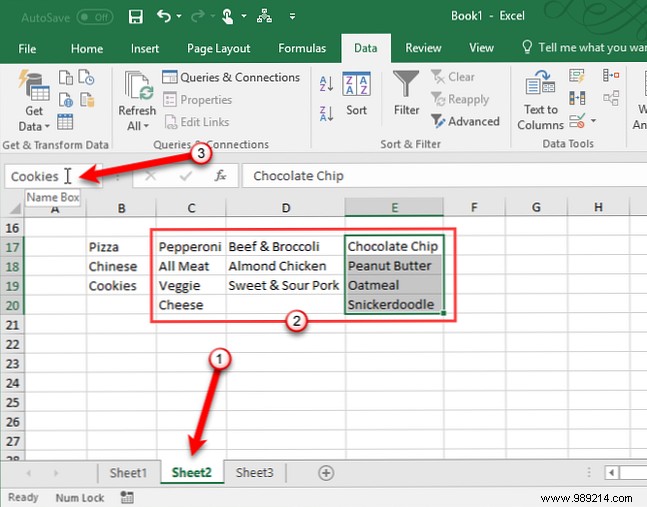
On Sheet2, enter items like food types (e.g., Pizza, Chinese, Cookies) in cells. Select them, name the range 'Food' in the Name Box.
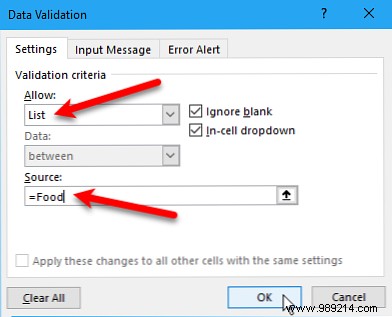
Leave 'Ignore blank' checked to allow empty cells, or uncheck to require selection.
In Data Validation, go to Input Message tab: Check 'Show...', add title/message. For errors, use Error Alert tab: Select style (e.g., Stop), add title/message.
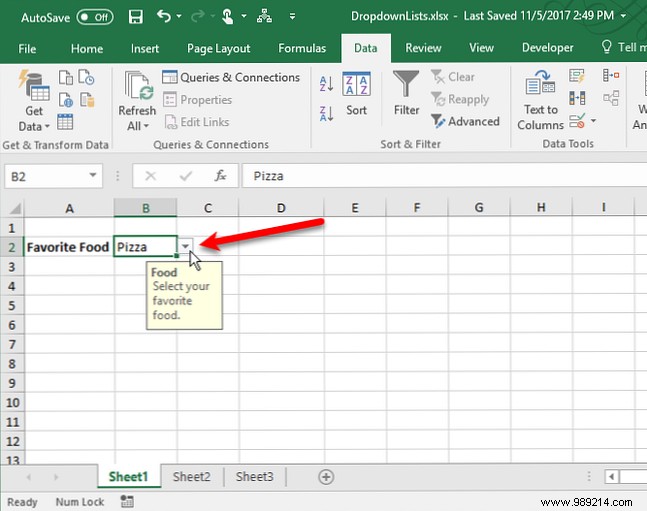
Clicking the cell shows a tooltip; arrow appears on selection. Lists over 8 items get scrollbars.
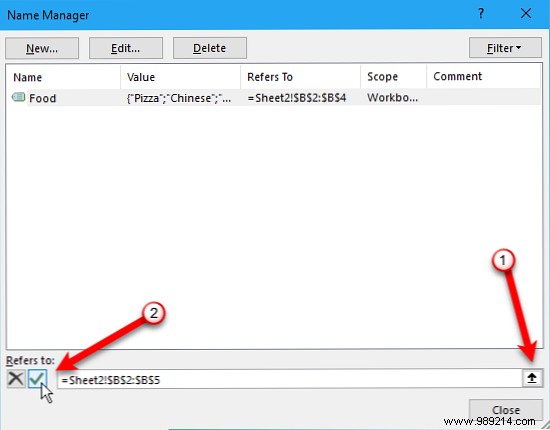
Go to Formulas > Name Manager. Select name, edit range via button or Edit dialog, or Delete.
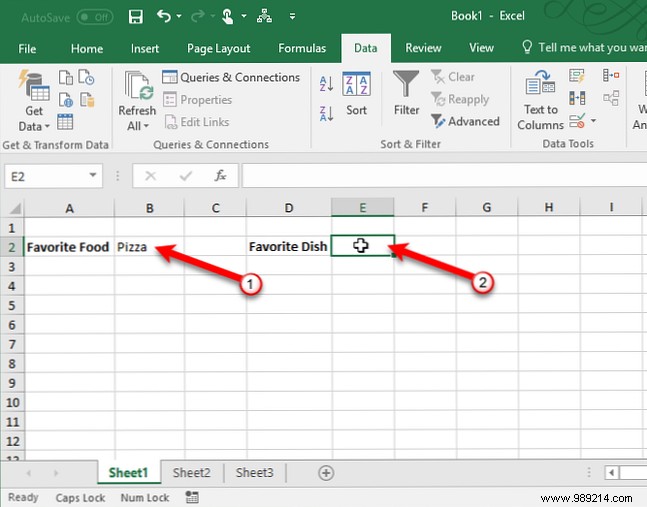
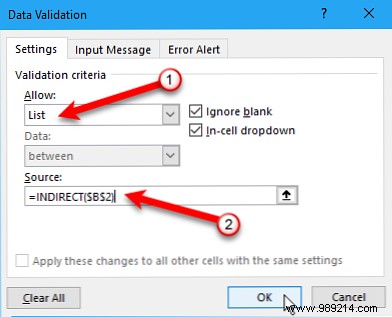
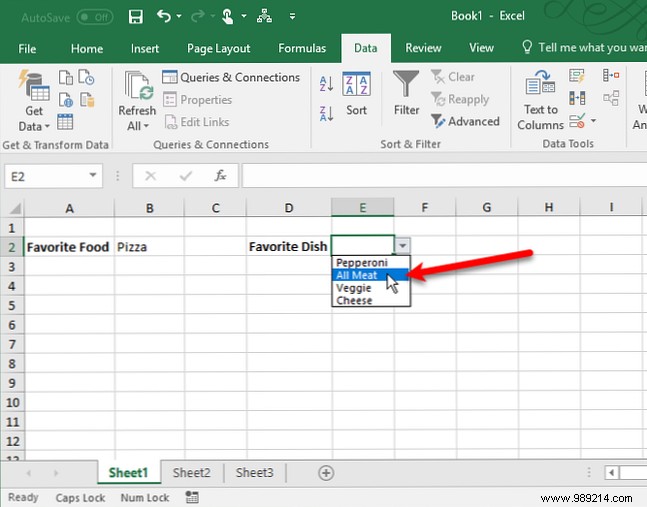
For cascading lists: Name sub-lists matching main options (e.g., 'Pizza', 'Chinese'). In dependent cell's Data Validation (List), use Source: =INDIRECT($B$2) (adjust cell ref).
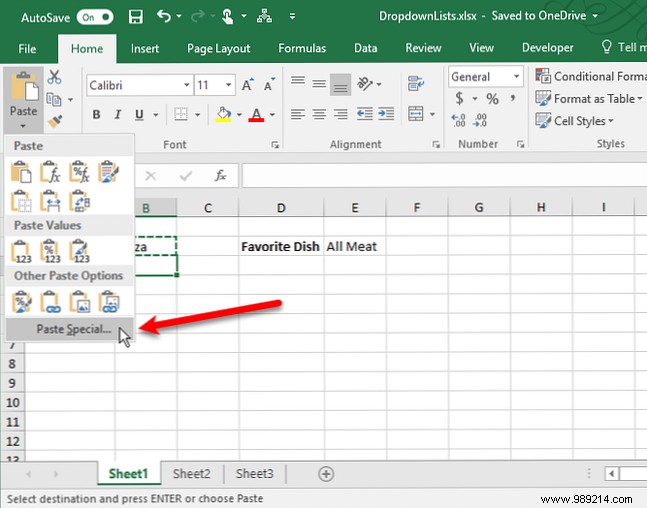
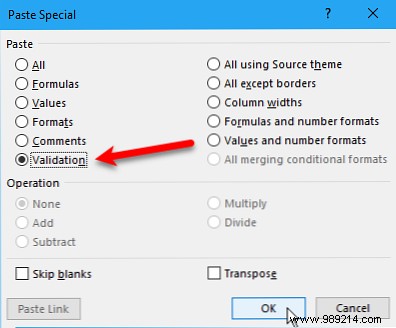
Copy cell (Ctrl+C), Paste Special > Validation only to duplicate rules without formatting.
Note: Pasting over a dropdown erases it—use Ctrl+Z to undo.
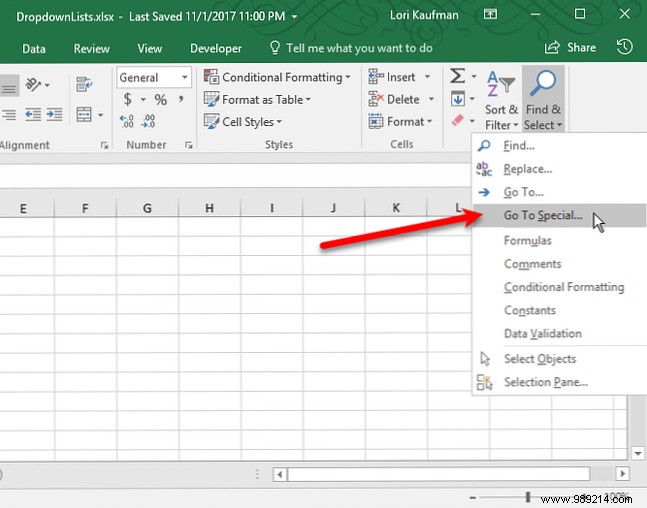
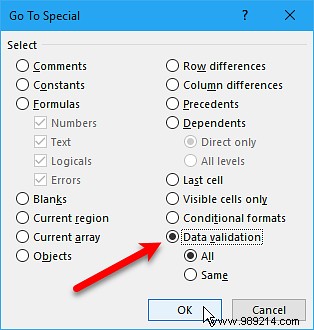
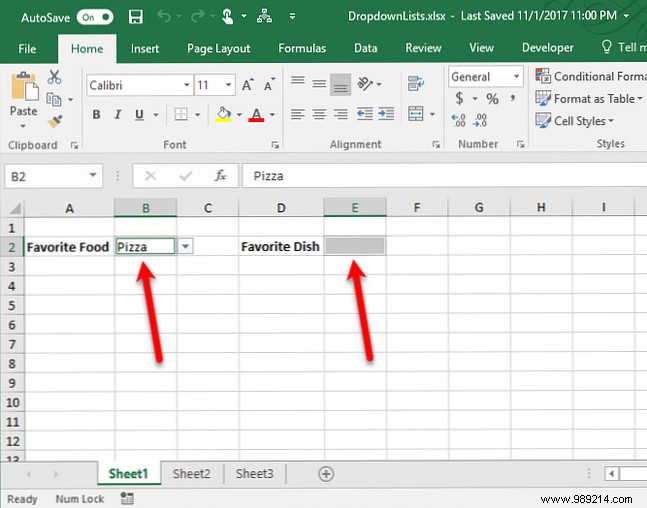
Select one, Home > Find & Select > Go To Special > Data validation > All.
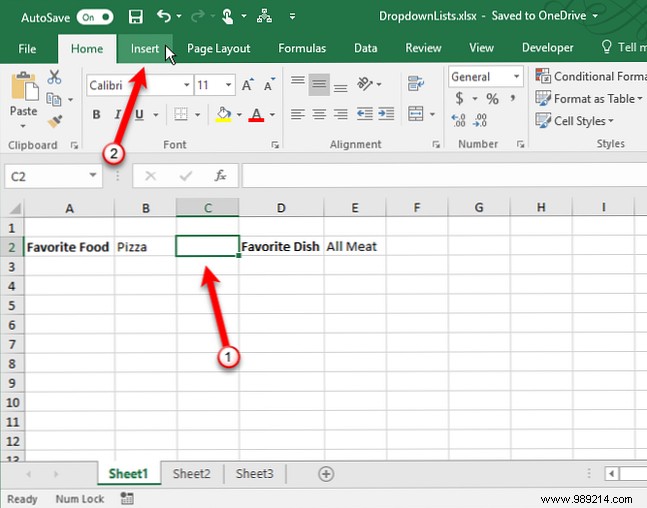
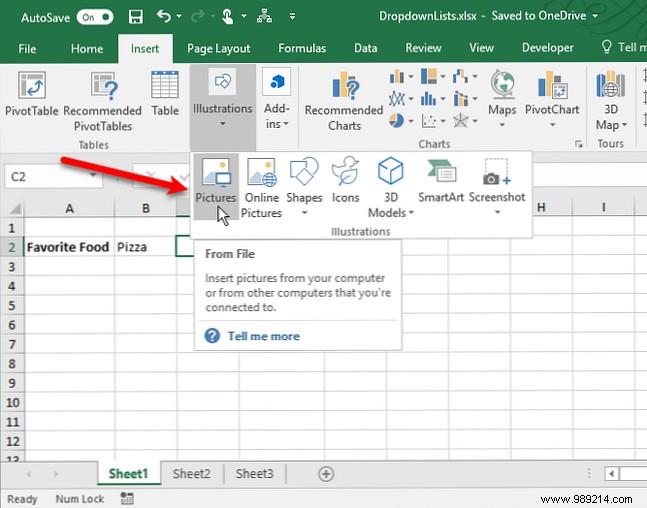
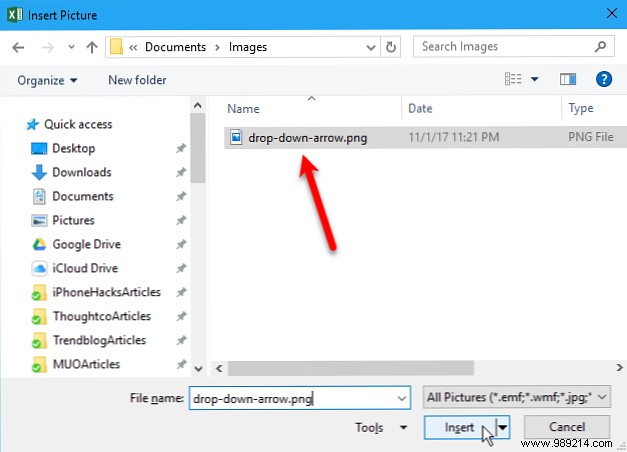
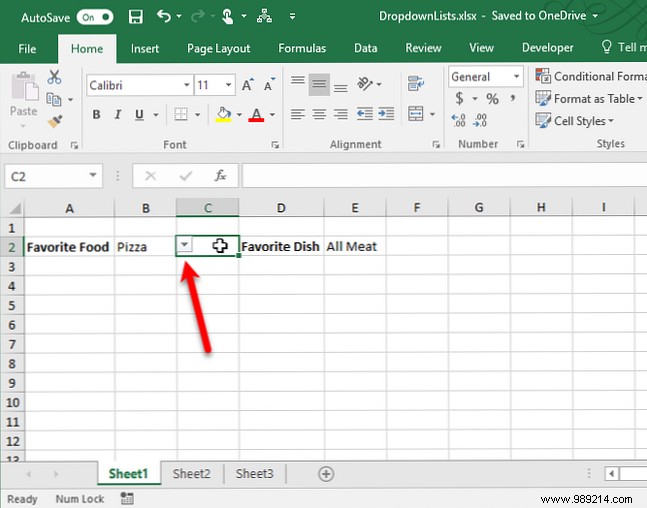
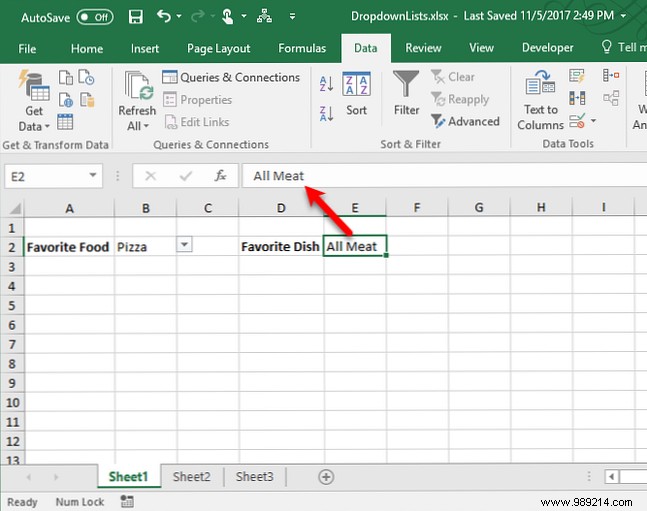
Insert a dropdown arrow image next to the cell: Download drop-down-arrow.png, Insert > Pictures.
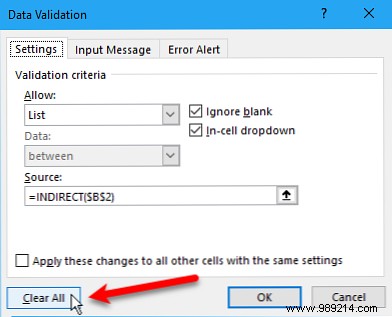
Select cell, Data Validation > Clear All > OK. Cell retains value; paste blank to clear.
These tools transform data entry—experiment with Developer tab form controls too. How do you use dropdowns? Share below.
