Before sharing a Microsoft Office document with colleagues or clients, it's essential to review not just the content, but also the hidden metadata that could reveal sensitive details about your work process. As a seasoned Microsoft Office expert with years of guiding professionals on productivity and data privacy, I've seen how overlooked metadata can compromise confidentiality. Let's explore how to use the built-in Document Inspector to safeguard your documents effectively.
Microsoft Office automatically embeds metadata into files, including details like author names, revision history, and comments. While useful for collaboration, this information travels with every shared file. Removing it ensures privacy without altering your core content.
Office apps like Word, Excel, and PowerPoint store various hidden elements. The Document Inspector identifies and removes them, including:
If privacy is a concern—such as for legal documents, client reports, or public submissions—these steps are crucial.
The Document Inspector is a reliable tool for scanning and purging hidden data. Always save your document first to avoid data loss.
Navigate to File > Info. You'll see properties like page count, edit time, and author on the right.
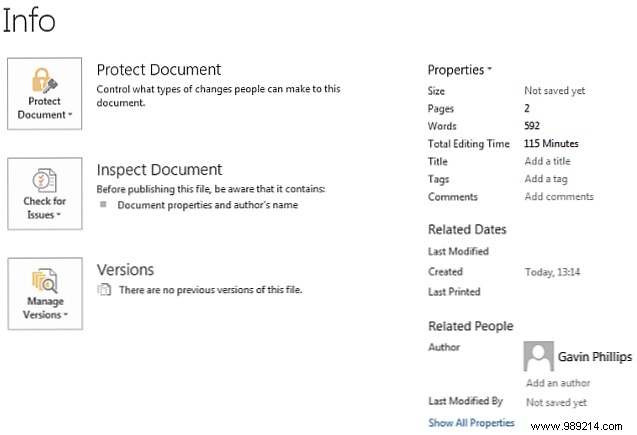
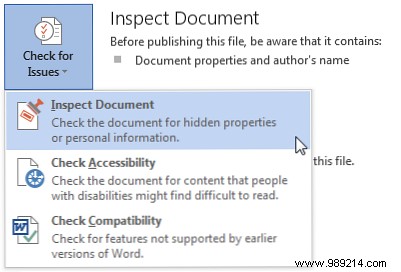
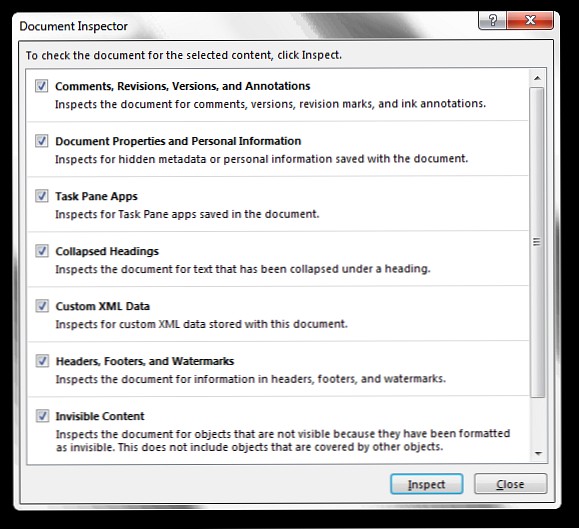
Click Check for Issues > Inspect Document. Select the categories to scan, then hit Inspect. Processing time varies by file size.
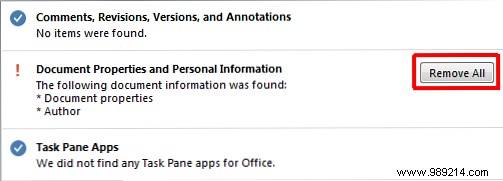
Review results and click Remove All for each detected item.
Save the file, then re-inspect to confirm everything is cleared.
Note for Office 2007: Find it under Office Button > Prepare > Inspect Document. Save first!
For ongoing protection, enable a document-specific setting: Go to File > Options > Trust Center > Trust Center Settings > Privacy Options. Check Remove personal information from file properties on save.
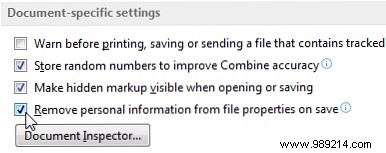
This applies per document, so repeat as needed.
Whether preparing a Word doc, Excel sheet, or PowerPoint deck, stripping metadata protects your privacy and professionalism. Consider your document's audience and potential chain of recipients.
Do you routinely clean your Office files? Share your tips in the comments!
